
Mold Inspections in St. Clair Shores, MI
Mold inspections and moisture assessments for homes and commercial buildings across St. Clair Shores and Macomb County, documented in a written report.
5-Star Rated Inspection Service
- Licensed & Professional
- Fast Turnaround
- Detailed Reports
Get Your Mold Inspection Quote
Serving Southeast
Michigan Since 2020
Residential &
Commercial Inspections
Accurate
Property Valuations
Trusted by
Local Buyers & Investors
Professional Mold Inspection Services in St. Clair Shores
An inspection is a snapshot, and buildings are not static. Conditions on the day reflect the weather of the preceding fortnight, how the property has been heated, and whether anybody has been ventilating it, all of which move the readings.
Interpreting a snapshot means accounting for what produced it. On a St. Clair Shores property the conditions at the time are recorded alongside the findings, since a reading without them is difficult to weigh.

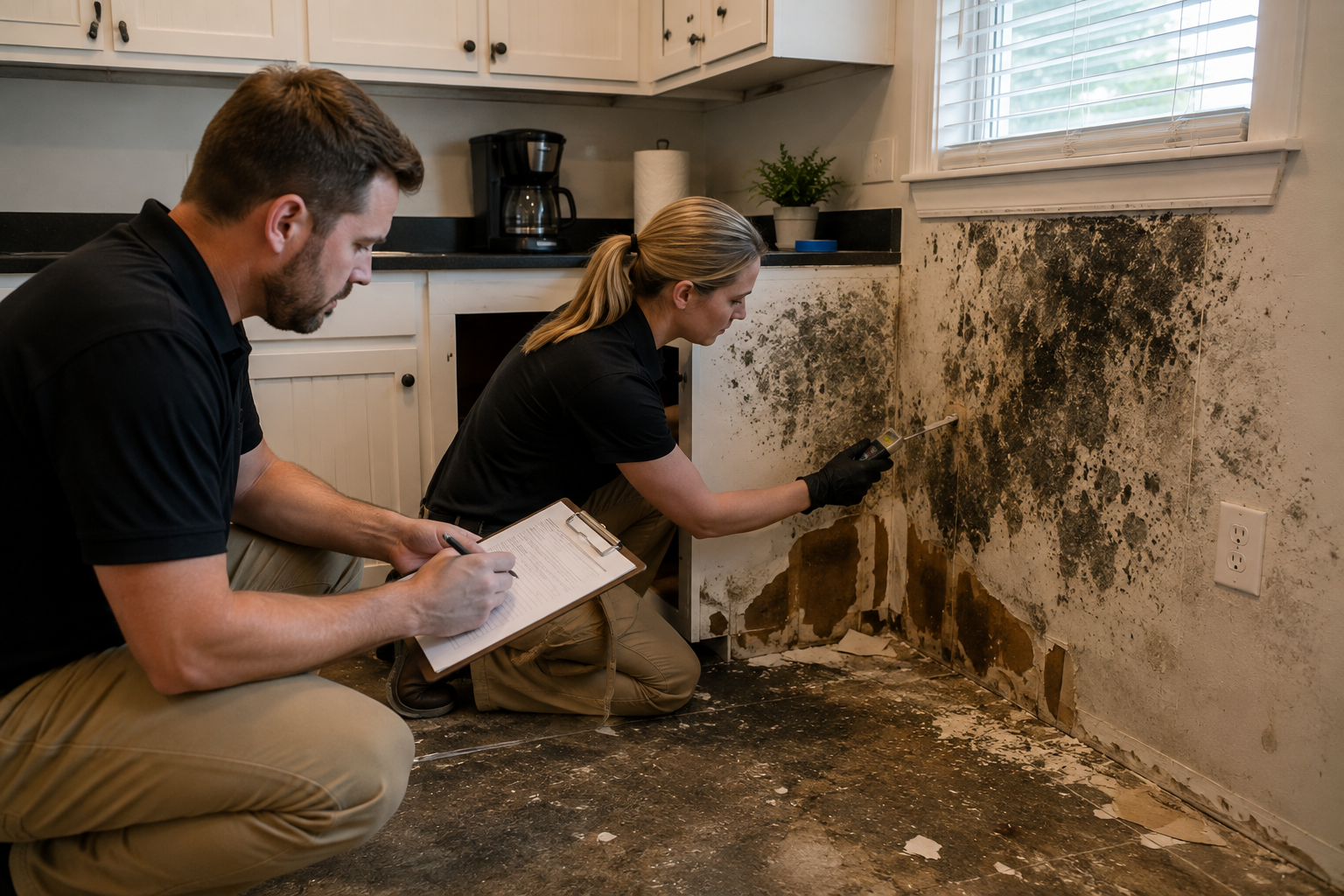
Why Mold Inspections Matter
The same wall can read differently in February and July, and neither figure is wrong. What matters is whether the level is appropriate for the material given the conditions, not whether it matches some fixed number.
Context is what makes that judgement possible. An inspection of a St. Clair Shores property records the circumstances of the visit alongside the readings, so the findings can be understood rather than simply compared against an absolute.
Why Choose Us for Mold Inspections
Recording the circumstances is what turns a set of readings into evidence. Without the date, the weather and the state of the building, the figures describe a moment nobody can reconstruct.
So the context goes in the report. Accessible areas are assessed, moisture is measured with meters, and the conditions of the visit are documented alongside the findings. A St. Clair Shores report can therefore be compared meaningfully with one taken at a different time of year.
Thorough Property Evaluation
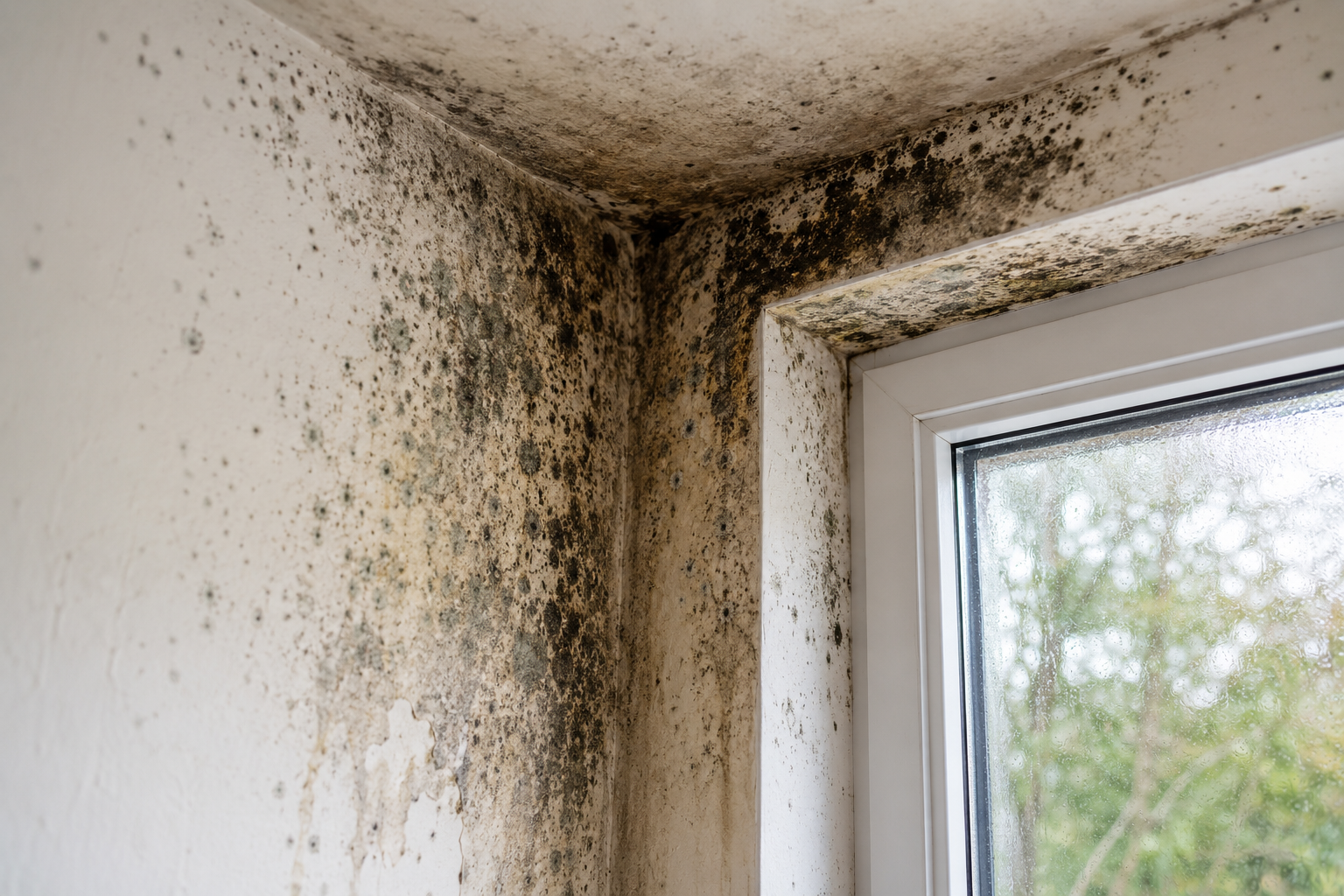
We carefully examine accessible areas for visible signs of suspected mold, water damage, staining, moisture intrusion, and conditions that may contribute to mold growth.
Focus on Moisture Sources
Visible mold may only be part of the problem. We also look for moisture related conditions that could be contributing to recurring growth or property damage.
Clear and Practical Findings
You receive straightforward information about observed concerns without unnecessary confusion. Our goal is to help you understand what was found and what areas may require additional attention.
Worried There Could Be Mold in Your Property?
An inspection carried out during a dry spell can understate a problem that only appears under load, and one carried out after a week of rain can make a minor issue look worse than it is. Neither is a flaw in the method.
It is a reason to record when and in what conditions. An assessment of the St. Clair Shores property notes both, so the findings are read for what they are rather than treated as a permanent characteristic of the building. A home inspection in St. Clair Shores is subject to the same caveat and states it the same way.
Frequently Asked Questions
What is a mold inspection?
A mold inspection is an evaluation of a property for visible signs of suspected mold, moisture problems, water damage, and conditions that may contribute to mold growth. The inspection helps identify areas that may require additional attention or further evaluation.
Why does mold matter beyond looks?
Common warning signs include musty odors, visible growth, unusual staining, recurring dampness, water damage, condensation, and leaks. Not every stain or odor means mold is present, which is why a professional evaluation of the property is useful before drawing conclusions.
Where does mold usually develop?
Michigan weather can contribute to the moisture conditions mold needs. Snowmelt, spring rain, summer humidity, and winter condensation can each introduce dampness into a building. That makes moisture control, ventilation, and prompt attention to leaks important for Detroit properties throughout the year.
Is every stain or smell mold?
Mold can develop in areas that are difficult to observe directly, particularly where moisture is present behind finishes or in less accessible spaces. A professional inspection evaluates accessible areas and looks for visible evidence and moisture-related conditions that may indicate a concern.
Should I inspect after a leak?
If a property shows signs of moisture, previous water damage, unusual odors, or visible suspected mold, an inspection can provide valuable information before you purchase. It is a focused way to understand a specific concern in more depth as part of your due diligence.
Can mold return after cleanup?
A musty odor can be associated with moisture or mold, but an odor alone does not confirm the source. An inspection helps identify visible concerns and moisture conditions that may explain the smell, so you know whether further action is needed.