Why Property Inspections Are Vital for Homebuyers
Why Property Inspections Give Homebuyers Confidence
Buying a home comes with many choices and some unavoidable uncertainty about what’s behind the walls. A professional property inspection gives you a clear, unbiased look at a house’s condition so you can protect your investment and make smarter decisions. This article explains why inspections matter, what inspectors examine, how problems are found, and how those findings affect price and negotiation strategy.
Real Estate Inspection Process
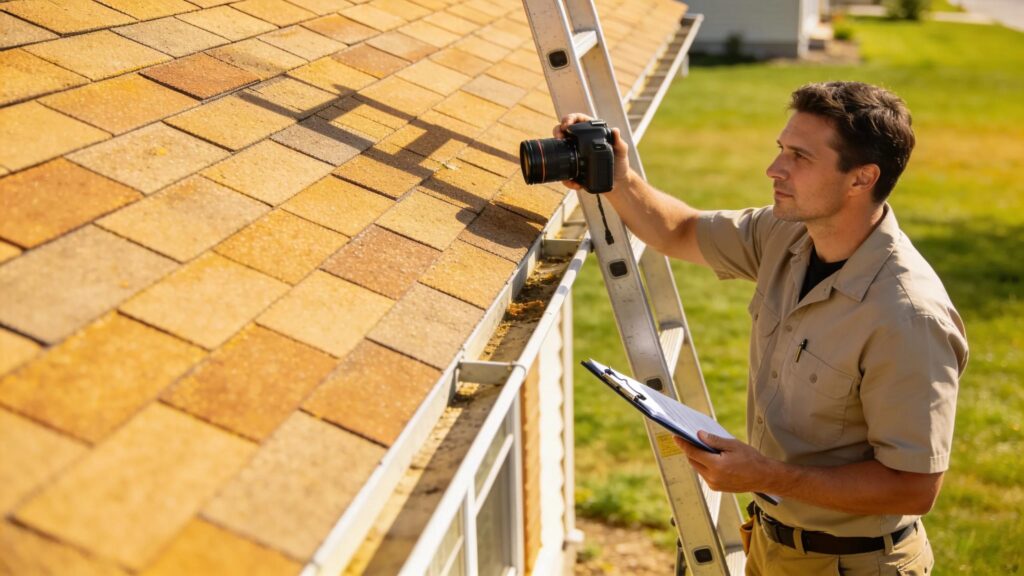
An inspection is a systematic review of a property’s visible, accessible systems and components. Buyers usually book an inspection soon after their offer is accepted. It’s helpful to attend the inspection so you can see issues firsthand and ask the inspector questions. Afterward you receive a detailed report that summarizes findings and outlines recommended repairs or safety concerns—information that’s often crucial for negotiations. Many buyers consider home inspections an essential step in the process.
Significance of Inspections
Inspections play several key roles for homebuyers:
- Reveal hidden problems: Inspections identify defects that aren’t obvious during a walkthrough.
- Create negotiating leverage: Repair needs or safety issues can be used to request credits, repairs, or price adjustments.
- Offer peace of mind: Knowing a property’s condition helps you decide whether to move forward and how to budget for future maintenance.
Given the potential cost and safety implications of major repairs, a thorough inspection is a critical safeguard for buyers.
Estates Inspections and Valuations specializes in comprehensive residential and commercial inspections designed to help buyers make informed choices. Visit Estates Inspections and Valuations to learn more about our services.
Essential Components of Home Inspections
Home inspections look at the main systems that affect habitability, safety, and long-term costs. Typical areas of focus include the roof, foundation, and electrical systems.
| Component | Description | Importance |
|---|---|---|
| Roofing Systems | Check for leaks, damaged shingles, flashing issues, and overall condition. | A sound roof protects the home and delays expensive replacements. |
| Foundation | Look for settling, cracks, and signs of water intrusion. | Foundation problems affect structural stability and repair costs. |
| Electrical Systems | Assess wiring, panels, breakers, and visible code concerns. | Proper electrical systems reduce safety risks and ensure reliable power. |
Roofing Systems
Roof inspections identify wear, leak points, and damaged materials that can lead to water intrusion and higher repair bills. Knowing the roof’s condition helps you plan maintenance or replacement and estimate upcoming expenses.
Foundation
Inspectors evaluate foundations for cracks, uneven settling, and moisture problems. Early detection of foundation issues can prevent larger structural damage and unexpected costs later.
Electrical Systems
Electrical reviews cover wiring methods, visible defects, and the overall safety of the system. Outdated or faulty wiring can be a fire hazard—confirming system condition protects both property and people.
Safety Assessments
Safety checks include testing gas appliances, looking for environmental hazards, and noting conditions that pose immediate risk—like carbon monoxide sources or extensive mold. For suspected mold issues, mold inspections are recommended to clarify scope and remediation needs.
Evaluation of Key Areas
Beyond the major systems, inspectors review plumbing, HVAC, and exterior elements such as siding and drainage. These assessments show how well systems are functioning now and signal likely maintenance or replacement timelines.
Importance of a Property Condition Report
The inspection report documents findings, prioritizes concerns, and offers recommended actions. It’s a practical tool for negotiating repairs, adjusting an offer, or planning future work—giving buyers a clear record of the home’s condition.
Hidden Defects and Safety Risks
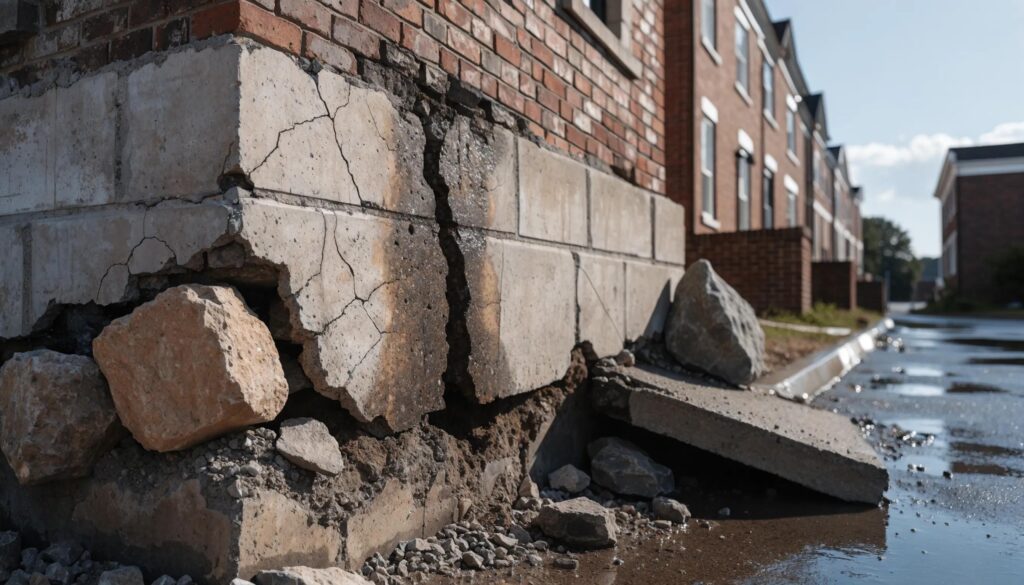
Inspections often uncover unseen defects—structural weaknesses, electrical hazards, or moisture damage—that can make a property a poor investment. Identifying these issues before closing protects your finances and the safety of future occupants.
Impact on Property Valuation and Decision-Making
Inspection findings directly affect how buyers value a property. Significant defects may justify a lower offer or a request for repairs; minor issues help you plan maintenance budgets. Ultimately, inspection results give you the clarity needed to negotiate with confidence.
How Does Environmental Hazard Testing Enhance Homebuyer Protection?
Environmental testing checks for hidden health hazards—lead, radon, mold, and other contaminants—that don’t show up in a standard visual inspection. Addressing these risks protects occupant health and can influence repair costs and negotiation strategy. Radon testing, in particular, is an important safety check, which is why radon testing is one of our recommended services.
Why Commercial Property Inspections Protect Investor Assets
Commercial inspections offer investors clarity on structural condition, code compliance, and system performance—factors that affect operating costs and long-term returns. For businesses evaluating property purchases, commercial property inspections are a fundamental part of due diligence.
How Are Commercial Inspections Different from Residential Inspections?
Commercial inspections typically cover more complex systems—industrial HVAC, large mechanical equipment, and stricter code requirements. They often require specialized knowledge and a broader scope than a residential inspection, so choosing an experienced inspector is important.
When Should Homebuyers Schedule an Inspection and What Is the Process?
Schedule an inspection soon after your offer is accepted to allow time for review and negotiation. The usual process is: select a qualified inspector, attend the inspection if possible, and review the final report to plan next steps.
What Steps Are Involved in the Real Estate Inspection Process?
The inspection typically follows these steps:
- Finding an Inspector: Choose a qualified professional based on credentials and reviews.
- Scheduling the Inspection: Book a time that lets you attend and ask questions.
- Reviewing the Report: Receive a detailed report that outlines findings and recommended actions.
Knowing these steps helps you get the most value from the inspection.
How Do Buyers Use Inspection Results in Negotiations and Offers?
Buyers use inspection reports to request repairs, ask for seller credits, or renegotiate price when significant issues are found. Clear documentation of problems strengthens your negotiating position and reduces surprises after closing.
What Questions Should Homebuyers Ask About Their Inspection Services?
Ask direct questions to understand the service:
- What certifications and experience do your inspectors have?
- What items are included in the inspection scope?
- When will the report be delivered and what will it include?
Which Credentials and Experience Should Inspectors Have?
Look for inspectors with recognized certifications, relevant experience, and a track record of thorough, clear reporting. This helps ensure you receive an accurate assessment of the property.
How Are Comprehensive Reports Delivered and Interpreted?
Reports are usually delivered within 24–48 hours and should be easy to read, with photos and clear recommendations. A good report lets you prioritize repairs, understand safety concerns, and use the findings in negotiations. You can also read testimonials from past clients to learn how our reports have helped other buyers.