
Top Home Inspection Problems in Detroit: What to Watch For
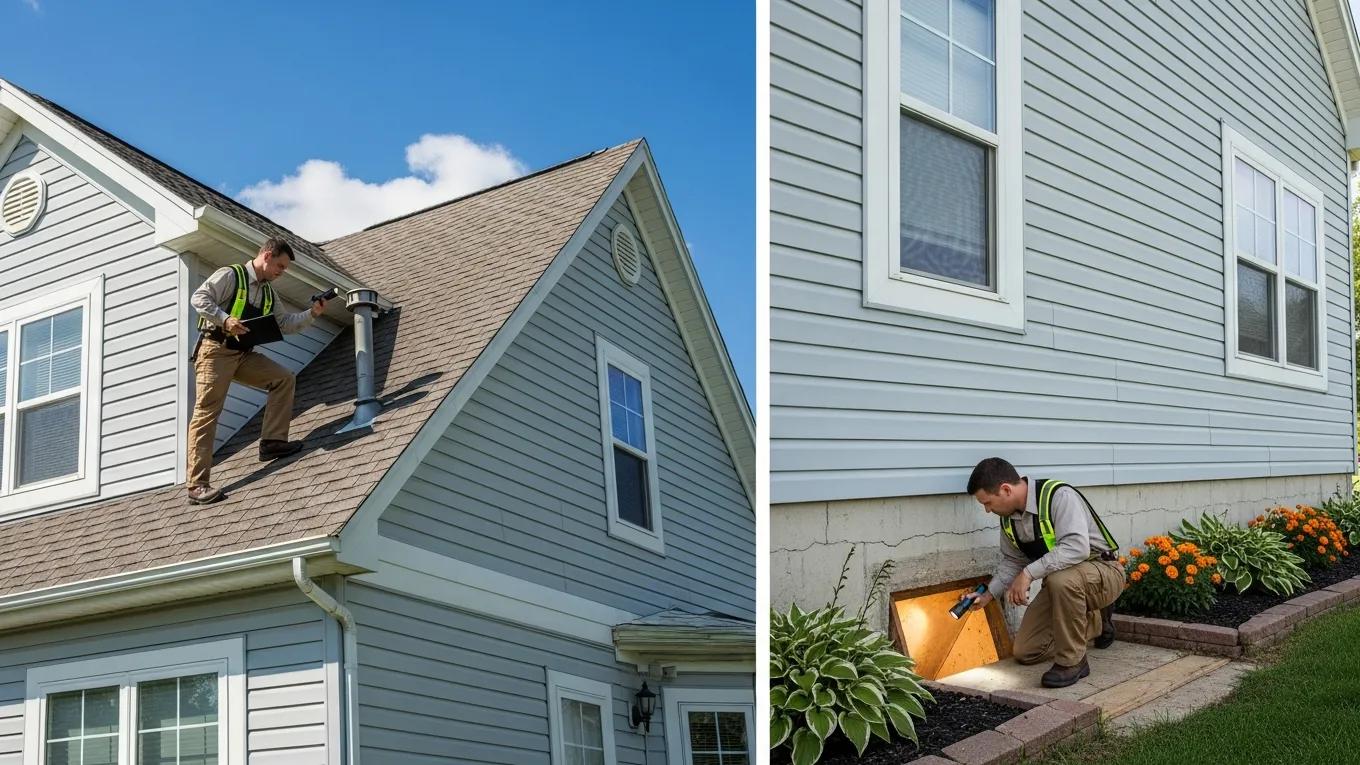
Common Home Inspection Issues: Southeast Michigan Checklist
By Jamal Makki, Estates Inspections and Valuations
Home inspections are a crucial step in the real estate process, especially in Southeast Michigan, where unique environmental factors can lead to specific property issues. This article provides a comprehensive checklist of common problems found during home inspections, helping homeowners, buyers, and sellers understand what to look for. By identifying these issues early, individuals can make informed decisions about property investments and maintenance. The focus will be on roofing, foundation, electrical systems, mold and moisture, radon testing, and commercial property inspections. Each section will detail the common problems, their implications, and the importance of thorough inspections.
What Are the Most Frequent Roofing Problems Found in Michigan Homes?
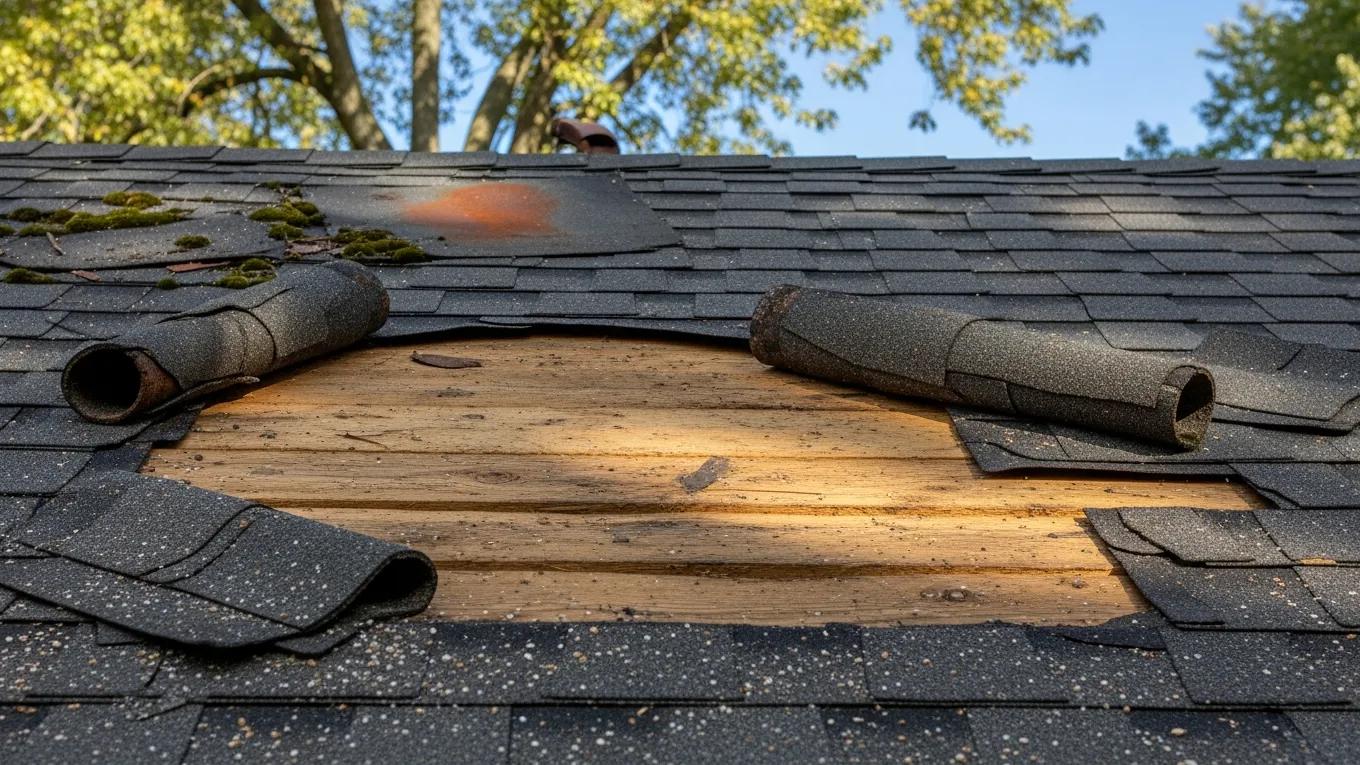
Roofing issues are prevalent in Michigan due to the state’s harsh weather conditions, which can accelerate wear and tear on roofing materials. Common problems include missing shingles, leaks, and deterioration of roofing materials. These issues can lead to significant water damage and structural problems if not addressed promptly. Regular inspections are essential to identify these defects early, ensuring the longevity of the roofing system and protecting the overall integrity of the home.
Estates Inspections and Valuations specializes in providing detailed inspections that can help identify these roofing issues before they escalate.
How Do Aging Roofing Materials Affect Southeast Michigan Properties?
Aging roofing materials can significantly impact the integrity of a home. As roofs age, they become more susceptible to damage from weather elements, leading to issues such as leaks and reduced insulation effectiveness. Common aging materials include asphalt shingles, which typically last 15-30 years, and wood shakes, which may last 20-40 years but require more maintenance. Homeowners should be aware of the lifespan of their roofing materials and schedule inspections to assess their condition regularly.
What Signs Indicate Roofing Defects During Inspections?
During inspections, several visual signs can indicate roofing defects. Home inspectors look for:
- Curling or missing shingles: This can expose the underlying layers to moisture.
- Stains on ceilings or walls: These may indicate leaks from the roof.
- Granule loss: Excessive granule loss from shingles can reduce their effectiveness.
Identifying these signs early can prevent costly repairs and maintain the property’s value.
Which Foundation Issues Commonly Impact Detroit Houses?
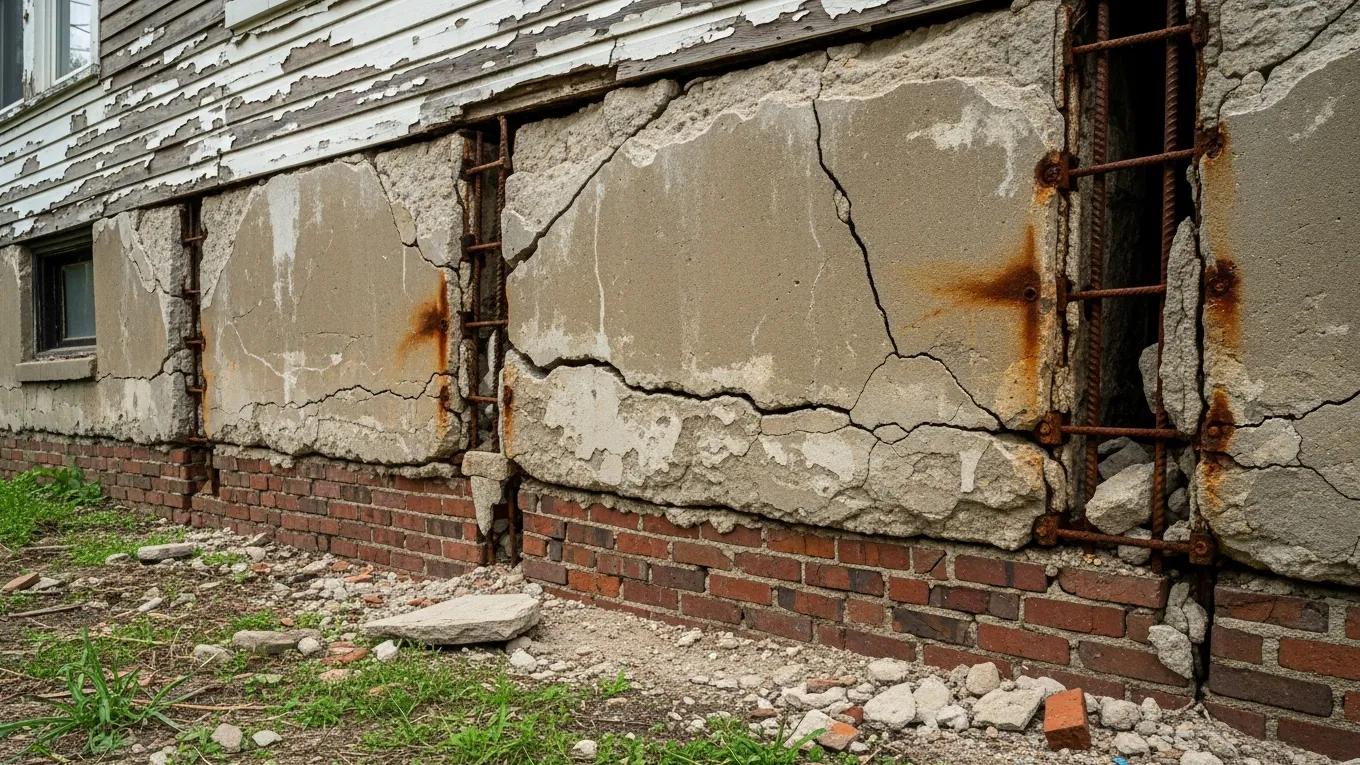
Foundation problems are another critical concern for homeowners in Detroit. Common issues include cracks, settling, and heaving, which can compromise the structural integrity of a home. These problems often arise from soil movement, moisture fluctuations, and poor drainage. Understanding these issues is vital for maintaining a safe and stable living environment.
Estates Inspections and Valuations can help identify these foundation issues through comprehensive assessments.
How Can Foundation Cracks Affect Structural Integrity?
Foundation cracks can lead to severe structural problems if left untreated. They can allow water infiltration, leading to mold growth and further deterioration of the foundation. Types of cracks include vertical, horizontal, and diagonal, each indicating different underlying issues. Homeowners should address these cracks promptly to prevent more extensive damage.
What Are Early Warning Signs of Foundation Problems?
Early warning signs of foundation problems include:
- Uneven floors: This may indicate settling or heaving.
- Doors and windows that stick: Misalignment can signal foundation movement.
- Cracks in walls or ceilings: These can indicate stress on the foundation.
Recognizing these signs early can help homeowners take action before the issues worsen.
What Electrical Safety Concerns Are Identified in Home Inspections?
Electrical safety is a significant concern during home inspections, as faulty wiring can pose serious hazards. Common electrical issues include outdated wiring, overloaded circuits, and improper grounding. These problems can lead to electrical fires or equipment damage, making it essential for homeowners to ensure their electrical systems are up to code.
Estates Inspections and Valuations provides thorough electrical inspections to identify potential hazards.
How Do Electrical Defects Pose Risks to Homeowners?
Electrical defects can pose various risks, including:
- Fire hazards: Faulty wiring can ignite fires.
- Shock hazards: Improper grounding can lead to electric shocks.
- Equipment damage: Overloaded circuits can damage appliances.
Addressing these defects promptly can enhance safety and prevent costly repairs.
Which Electrical System Components Are Most Vulnerable?
Certain components of electrical systems are more prone to issues, including:
- Old wiring: Often found in homes built before the 1980s.
- Circuit breakers: Can fail if overloaded.
- Outlets and switches: Wear and tear can lead to malfunctions.
Regular inspections can help identify vulnerabilities and ensure the electrical system operates safely.
How Are Mold and Moisture Issues Detected in Michigan Homes?
Mold and moisture issues are common in Michigan homes, particularly in basements and crawl spaces. These problems can arise from leaks, high humidity, and poor ventilation. Mold can pose health risks, making it crucial for homeowners to address moisture issues promptly.
Estates Inspections and Valuations offers specialized inspections to detect mold and moisture problems.
What Common Mold Problems Affect Residential Properties?
Common mold problems include:
- Black mold: Often found in damp areas, it can cause health issues.
- Aspergillus: Can grow on various surfaces and may trigger allergies.
- Cladosporium: Typically found in homes with high humidity.
Identifying and remediating these mold types is essential for maintaining a healthy living environment.
Why Is Moisture Control Critical During Inspections?
Moisture control is critical during inspections because it helps prevent mold growth and structural damage. Key moisture control measures include:
- Proper drainage: Ensures water flows away from the foundation.
- Ventilation: Reduces humidity levels in the home.
- Regular inspections: Identify leaks and moisture sources early.
Implementing these measures can protect the home from moisture-related issues.
Why Is Radon Testing Essential in Southeast Michigan Home Inspections?
Radon testing is essential in Southeast Michigan due to the area’s geological characteristics, which can lead to elevated radon levels in homes. Radon is a colorless, odorless gas that can pose serious health risks, including lung cancer. Testing for radon is a crucial step in ensuring a safe living environment.
To ensure your home is safe, radon testing is a service Estates Inspections and Valuations provides, offering comprehensive assessments of indoor air quality.
What Are the Health Risks Associated with Radon Gas?
Exposure to radon gas can lead to severe health risks, including:
- Lung cancer: Radon is the second leading cause of lung cancer after smoking.
- Respiratory issues: Long-term exposure can affect lung function.
Understanding these risks emphasizes the importance of radon testing in homes.
How Is Radon Testing Conducted During Property Inspections?
Radon testing is typically conducted using:
- Short-term tests: Measure radon levels over 2-7 days.
- Long-term tests: Assess levels over 90 days or more for a more accurate reading.
These tests help determine if mitigation measures are necessary to reduce radon levels in the home.
Common Home Inspection Issues: Southeast Michigan Checklist
Commercial property inspections in Southeast Detroit often reveal unique issues that differ from residential assessments. Common concerns include structural integrity, compliance with local codes, and environmental hazards. Understanding these issues is vital for investors and business owners.
For thorough evaluations, Estates Inspections and Valuations specializes in commercial property inspections, ensuring thorough evaluations.
How Do Commercial Inspections Differ from Residential Assessments?
Commercial inspections differ from residential assessments in several ways:
- Scope: Commercial inspections often cover larger areas and more complex systems.
- Regulatory compliance: Commercial properties must adhere to stricter codes and regulations.
- Environmental assessments: These may be necessary to identify potential hazards.
Understanding these differences is crucial for effective property management.
What Are Key Checkpoints in Commercial Building Evaluations?
Key checkpoints in commercial building evaluations include:
- Structural integrity: Assessing the foundation, walls, and roof.
- Electrical systems: Ensuring compliance with safety standards.
- HVAC systems: Evaluating efficiency and maintenance needs.
Thorough evaluations can help identify potential issues and inform investment decisions.
In addition to ensuring structural and safety standards, understanding the specific needs of a property is crucial. Estates Inspections and Valuations provides comprehensive services tailored to meet these needs.
What should I expect during a home inspection in Southeast Michigan?
During a home inspection in Southeast Michigan, you can expect a thorough evaluation of the property’s condition. Inspectors will assess key areas such as the roof, foundation, electrical systems, plumbing, and HVAC. They will look for common issues specific to the region, such as moisture problems and structural integrity concerns. The inspector will provide a detailed report highlighting any defects or maintenance needs, helping you make informed decisions about your property investment.
How often should I schedule home inspections?
It is recommended to schedule home inspections at least once every few years, especially if you own an older home or have experienced significant weather events. Additionally, consider having an inspection before buying or selling a property. Regular inspections can help identify potential issues early, allowing for timely repairs and maintenance, which can save you money in the long run and ensure the safety and longevity of your home.
What are the costs associated with home inspections?
The cost of home inspections can vary based on several factors, including the size of the property, its location, and the specific services requested. On average, home inspections in Southeast Michigan range from $300 to $500. Additional services, such as radon testing or mold assessments, may incur extra fees. It’s essential to discuss pricing with your inspector beforehand to understand the total cost and what is included in the inspection package.
Can I attend the home inspection?
Yes, it is highly encouraged for homeowners and potential buyers to attend the home inspection. Being present allows you to ask questions and gain a better understanding of the property’s condition. Inspectors often provide valuable insights during the walkthrough, explaining any issues they find and offering maintenance tips. Attending the inspection can also help you feel more confident in your investment decisions.
What should I do if my home inspection reveals issues?
If your home inspection reveals issues, the first step is to assess the severity of the problems. For minor issues, you may choose to address them through regular maintenance. For significant concerns, such as structural damage or electrical hazards, it is advisable to consult with specialists for further evaluation and repairs. Depending on the findings, you may also negotiate repairs or price adjustments with the seller if you are in the buying process.
How can I prepare my home for an inspection?
To prepare your home for an inspection, start by ensuring that all areas are accessible, including attics, basements, and crawl spaces. Clear away any clutter and make sure utilities are turned on. It’s also helpful to provide the inspector with any relevant documentation, such as previous inspection reports or maintenance records. Addressing minor repairs beforehand can create a positive impression and potentially lead to a smoother inspection process.
Frequently Asked Questions
What are the key benefits of a home inspection before purchasing a property?
A home inspection before purchasing a property offers several significant advantages. It helps identify potential issues that could turn into costly repairs down the line. Buyers can negotiate on repair costs or request the seller to make necessary fixes before finalizing the sale. This due diligence can enhance buyer confidence and ensure that they are making a sound investment. Additionally, understanding the condition of the home can provide insights into the anticipated maintenance costs, helping buyers plan for future expenses.
How can I find a qualified home inspector in Southeast Michigan?
To find a qualified home inspector in Southeast Michigan, start by asking for recommendations from real estate agents, friends, or family who have recently purchased homes. You can also search online platforms for local inspectors with positive reviews and credentials. Look for professionals certified by reputable organizations, such as the American Society of Home Inspectors (ASHI) or the International Association of Certified Home Inspectors (InterNACHI). It’s essential to check their experience and ask about the inspection process they follow to ensure you receive a comprehensive evaluation.
What common environmental issues should be checked in Southeast Michigan homes?
Common environmental issues to check for in Southeast Michigan homes include radon, lead paint, and mold. Due to the geological characteristics of the area, radon levels can be elevated, posing serious health risks. Additionally, older homes may contain lead paint, which can be hazardous, especially for children. Mold can develop in damp areas like basements due to the region’s humidity levels. A thorough inspection should include evaluations for these environmental hazards to ensure a safe living environment.
How important is ongoing maintenance after a home inspection?
Ongoing maintenance after a home inspection is crucial to preserving the integrity and value of your property. Addressing issues identified during the inspection promptly helps prevent further deterioration, which can lead to more extensive and costly repairs. Regular maintenance, such as roof inspections, plumbing checks, and electrical system updates, contributes to the home’s longevity and ensures a safe living environment. Establishing a property maintenance schedule based on the inspector’s recommendations can be beneficial for managing your home effectively.
What role does weather play in home inspections in Michigan?
Weather plays a significant role in home inspections in Michigan. The state experiences harsh winters, high humidity in summer, and significant temperature fluctuations, which can affect the condition of roofs, foundations, and other structural elements. Inspectors must pay special attention to signs of weather-related damage, such as ice damming on roofs or foundation issues from freeze-thaw cycles. Additionally, they should evaluate how well the home is equipped to handle local weather, such as drainage systems to manage snowmelt and rain runoff.
What can I do if my inspection report lists many issues?
If your inspection report lists many issues, it’s important to remain calm and prioritize your next steps. Start by reviewing the report thoroughly to understand the severity of each issue. Consult with your realtor to discuss potential negotiations with the seller regarding repairs or price adjustments. For significant problems, such as structural or safety risks, consider hiring specialists for further evaluation. Addressing critical issues promptly can prevent further damage and preserve the value of the home.