
Why Detroit Homebuyers Need a Professional Home Inspection
Detroit Home Inspection Guide for Informed Buyers
By Jamal Makki, Estates Inspections and Valuations
Purchasing a home is one of the most significant investments many individuals will make in their lifetime. However, the process can be fraught with uncertainties, particularly regarding the condition of the property. A professional home inspection is a crucial step that can help buyers uncover hidden issues, ensuring they make informed decisions. This article delves into the importance of home inspections in Detroit, outlining essential aspects, benefits for buyers, and key considerations to keep in mind. By understanding the inspection process, potential buyers can protect themselves from unexpected costs and safety concerns.
In this guide, we will explore the critical components of home inspections, the specific evaluations conducted, and the financial and safety benefits associated with them. Additionally, we will discuss how to effectively use inspection reports to influence negotiations and property valuation. With the right knowledge, buyers can navigate the real estate market with confidence.
Importance of Home Inspections
Home inspections are vital for prospective buyers as they provide a comprehensive evaluation of a property’s condition. These inspections help uncover hidden issues that may not be visible during a casual walkthrough. By identifying potential problems early, buyers can make informed decisions about their purchase, negotiate repairs, or even reconsider their offer. Furthermore, a thorough inspection can serve as leverage in negotiations, allowing buyers to request repairs or price reductions based on the findings.
Essential Aspects of Home Inspections
A professional home inspection typically covers several critical areas, ensuring a comprehensive assessment of the property. Key aspects include:
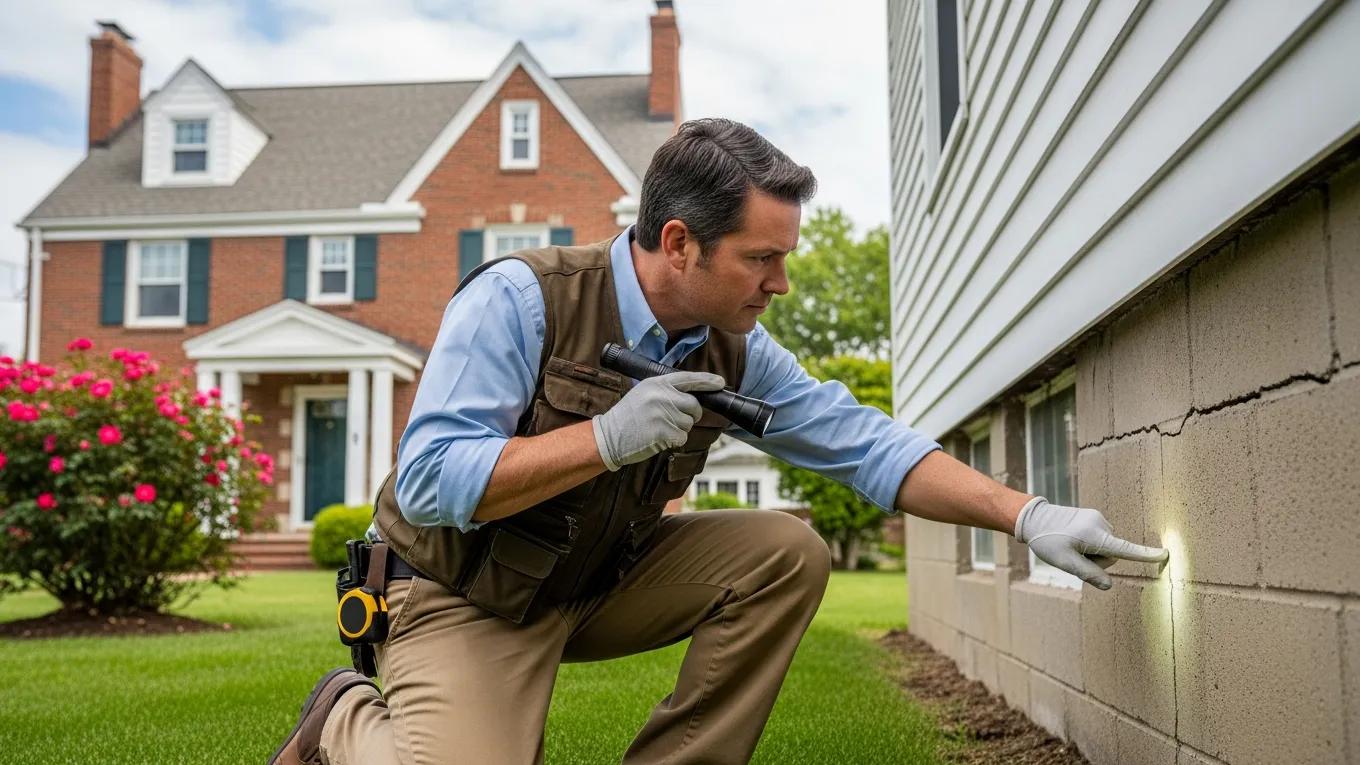
- Structural Integrity: Evaluating the foundation, walls, and overall structure for any signs of damage or instability.
- Roofing Systems: Inspecting the roof for leaks, wear, and potential issues that could lead to costly repairs.
- Electrical Systems: Assessing the electrical wiring and systems to ensure safety and compliance with local codes.
- Plumbing: Checking for leaks, water pressure issues, and the condition of pipes and fixtures.
- HVAC Systems: Evaluating heating and cooling systems for efficiency and functionality.
These essential components ensure that buyers receive a detailed report on the property’s condition, allowing them to make informed decisions.
Benefits for Informed Buyers
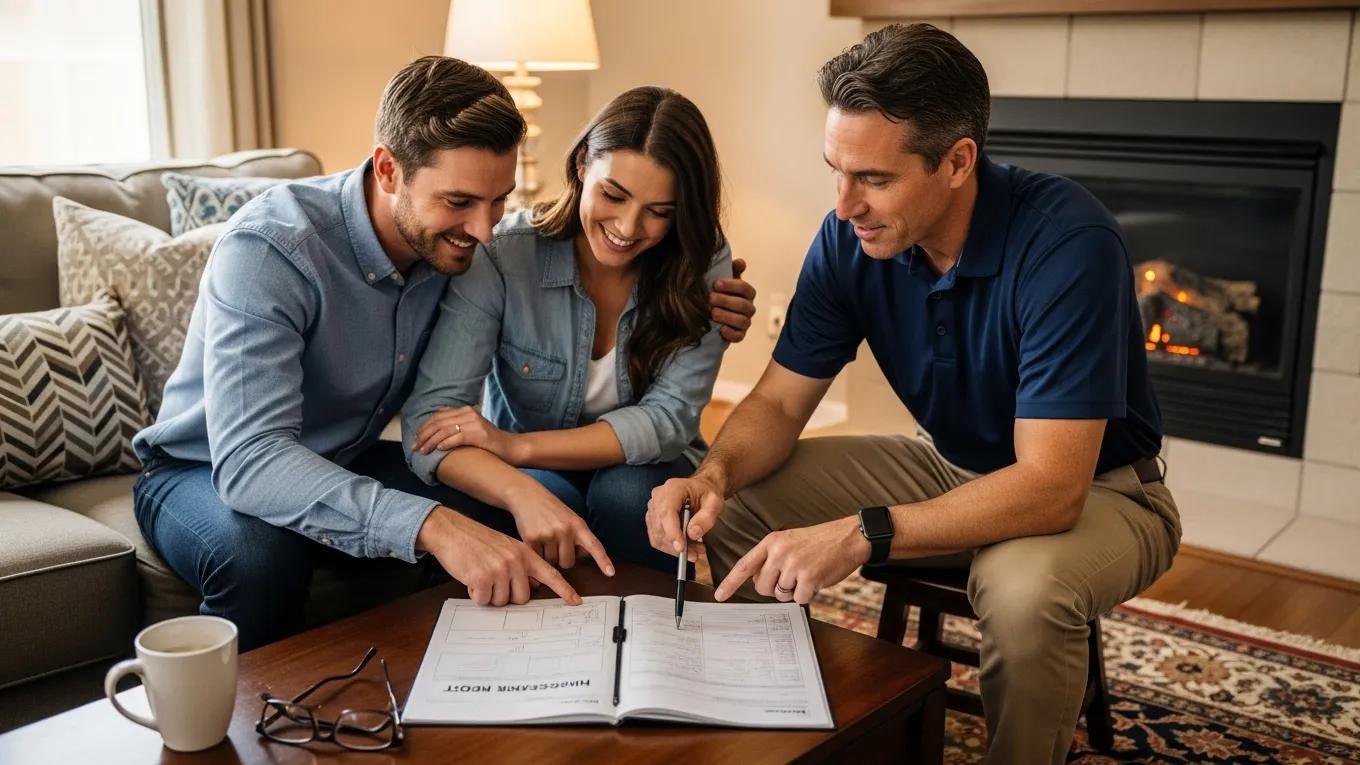
Having a home inspection provides numerous advantages for buyers, including:
- Avoid Unexpected Costs: Identifying issues before purchase can save buyers from costly repairs down the line.
- Peace of Mind: Knowing the property’s condition allows buyers to proceed with confidence.
- Future Planning: Understanding the state of the home helps buyers plan for future maintenance and upgrades.
By investing in a professional home inspection, buyers can protect their investment and ensure they are making a sound decision.
Estates Inspections and Valuations offers comprehensive home inspection services in Southeast Detroit, helping buyers navigate the complexities of property evaluations. Their expertise ensures that potential issues are identified, providing clients with the information needed to make informed decisions.
Key Considerations for a Successful Purchase
When considering a home inspection, several factors are essential for ensuring a successful experience:
- Choose a Qualified Inspector: Selecting a certified and experienced inspector is crucial for a thorough evaluation.
- Attend the Inspection: Being present during the inspection allows buyers to ask questions and gain insights into the property’s condition.
- Review the Report Thoroughly: Understanding the inspection report is vital for making informed decisions and negotiating repairs.
By following these considerations, buyers can maximize the benefits of their home inspection.
What Does a Professional Home Inspection Cover in Detroit?
A professional home inspection in Detroit encompasses various components that are critical to understanding the property’s condition. The following table outlines the key components evaluated during an inspection:
This table highlights the critical areas of focus during a home inspection, emphasizing their importance in the overall evaluation process.
Which Structural Components Are Evaluated During Inspection?
During a home inspection, several structural components are evaluated to ensure the property’s integrity. These include:
- Roof: Inspecting for damage, leaks, and overall condition.
- Foundation: Assessing for cracks, settling, and stability.
- Walls: Checking for signs of damage, moisture, or structural issues.
- Plumbing: Evaluating pipes, fixtures, and potential leaks.
Understanding these components helps buyers appreciate the thoroughness of the inspection process.
How Are Roofing, Electrical, and HVAC Systems Assessed?
The assessment of roofing, electrical, and HVAC systems is a critical part of the home inspection process. Each system is evaluated for functionality and safety:
- Roofing Evaluation: Inspectors check for missing shingles, leaks, and overall wear. A well-maintained roof is essential for protecting the home from the elements.
- Electrical Safety Checks: The electrical system is examined for outdated wiring, proper grounding, and compliance with safety standards. This ensures the home is safe for occupancy.
- HVAC Efficiency: Inspectors assess the heating and cooling systems for efficiency and functionality, ensuring they operate effectively to maintain comfort.
These assessments provide valuable insights into the home’s operational systems, helping buyers understand potential maintenance needs.
Why Is a Pre-Purchase Home Inspection Crucial for Detroit Buyers?
A pre-purchase home inspection is crucial for buyers in Detroit for several reasons. First, it helps identify hidden issues that may not be apparent during a casual viewing. This can include structural problems, electrical hazards, or plumbing issues that could lead to significant expenses after the purchase. Second, having a detailed inspection report empowers buyers to make informed decisions, whether that means negotiating repairs or reconsidering their offer. Lastly, a thorough inspection can provide peace of mind, knowing that the investment is sound and that they are aware of any potential future costs.
How Does Inspection Protect Buyers from Hidden Defects?
Home inspections serve as a protective measure for buyers by revealing hidden defects that could pose financial risks. By identifying issues such as mold, structural damage, or outdated electrical systems, buyers can avoid costly surprises after closing. This proactive approach not only safeguards their investment but also enhances their negotiating power, allowing them to request repairs or price adjustments based on the inspection findings.
What Are the Financial and Safety Benefits of Inspection?
Investing in a home inspection offers both financial and safety benefits, including:
- Cost Savings: Early detection of issues can prevent expensive repairs in the future.
- Safety Assurance: Identifying hazards such as faulty wiring or structural weaknesses ensures the safety of occupants.
- Investment Protection: A thorough inspection helps buyers make informed decisions, protecting their financial investment.
These benefits underscore the importance of conducting a professional home inspection before finalizing a purchase.
Detroit Home Inspection Guide for Informed Buyers
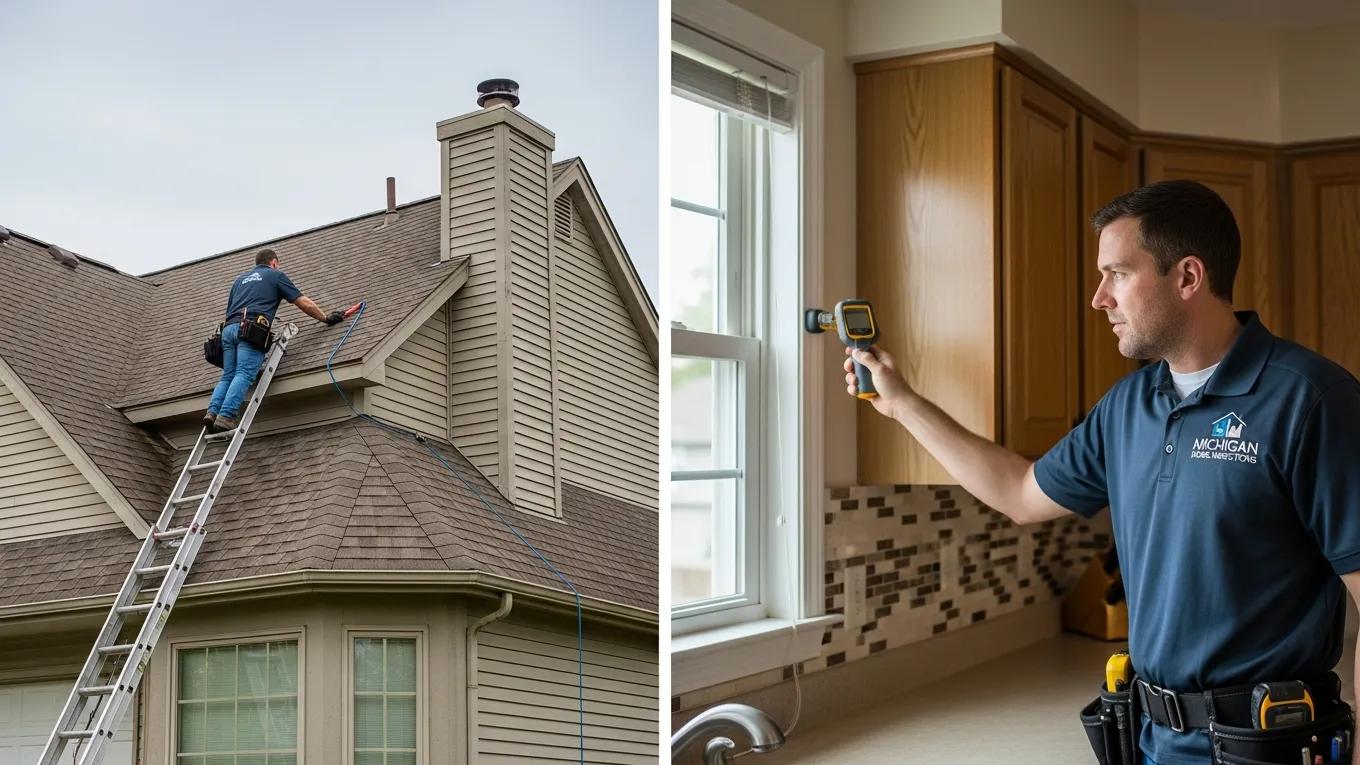
The residential home inspection process in Michigan typically involves several key steps:
- Schedule the Inspection: Buyers should arrange for the inspection as soon as their offer is accepted.
- Attend the Inspection: Being present allows buyers to ask questions and gain insights into the property’s condition.
- Receive the Report: After the inspection, buyers receive a detailed report outlining the findings and recommendations.
Following these steps ensures that buyers are well-informed about the property’s condition.
How Is the Home Inspection Checklist Applied in Southeast Detroit?
In Southeast Detroit, home inspectors utilize a comprehensive checklist to ensure all critical areas are evaluated. This checklist includes components such as structural integrity, roofing, electrical systems, plumbing, and HVAC systems. By adhering to this checklist, inspectors can provide a thorough assessment that meets local standards and addresses specific regional concerns. This systematic approach ensures that no critical aspect is overlooked during the inspection process.
Detroit Home Inspection Guide for Informed Buyers
The duration and cost of a home inspection in Michigan can vary based on several factors, including the property’s size and complexity. Typically, a home inspection lasts between 2 to 4 hours, depending on the property’s condition and the number of components being evaluated. The cost of a home inspection generally ranges from $300 to $600, depending on the inspector’s experience and the services provided. This investment is minor compared to the potential savings from identifying issues before purchase.
How Do Commercial Property Inspections Differ in Southeast Michigan?
Commercial property inspections in Southeast Michigan differ from residential inspections in several key ways. The scope of inspections is typically broader, encompassing various systems and components unique to commercial properties. Inspectors assess not only the building’s structure but also its compliance with local regulations, safety standards, and operational efficiency. Additionally, commercial inspections often require specialized knowledge of zoning laws and environmental regulations, making it essential to choose an inspector with experience in commercial properties.
What Specific Components Are Inspected in Commercial Properties?
Commercial property inspections focus on several specific components, including:
- Structural Integrity: Evaluating the building’s foundation and overall stability.
- Mechanical Systems: Assessing HVAC, plumbing, and electrical systems for efficiency and compliance.
- Safety Elements: Checking fire safety systems, emergency exits, and accessibility features.
These components are critical for ensuring the safety and functionality of commercial properties.
Why Are Commercial Inspections Increasingly Important for Investors?
Commercial inspections are becoming increasingly important for investors due to the growing complexity of commercial properties. Identifying hidden issues early can prevent costly repairs and ensure compliance with local regulations. Additionally, thorough inspections provide investors with valuable insights into the property’s condition, helping them make informed decisions about their investments. As the commercial real estate market continues to evolve, the importance of comprehensive inspections cannot be overstated.
Detroit Home Inspection Guide for Informed Buyers
Environmental risks such as radon and mold are tested during inspections using specialized methods. Inspectors may use radon testing kits to measure levels of this harmful gas, which can accumulate in homes and pose serious health risks. Mold testing typically involves visual inspections and air quality assessments to identify potential growth areas. By addressing these environmental risks, buyers can protect their health and ensure the safety of their investment.
What Are the Health and Property Implications of Radon and Mold?
Radon and mold can have significant health and property implications. Exposure to high levels of radon is linked to lung cancer, making it essential for buyers to test for this gas during inspections. Mold, on the other hand, can cause respiratory issues and other health problems, particularly for individuals with allergies or compromised immune systems. Additionally, both radon and mold can lead to property damage, necessitating costly remediation efforts. Understanding these risks highlights the importance of thorough environmental testing during home inspections.
Further emphasizing the critical nature of these environmental concerns, research highlights the severe health and structural damage that can arise from undetected mold and radon.
Hidden Home Hazards: Mold & Radon Risks
Many buildings are built in haste and not let dry well before use. Basement and floors interact with soil moisture and its microbes. Also roof and pipeline leaks can bring in biological harms as the mold growth is seen in few days in the worst scenario. Some people are sensitive to mold allergens and have serious health problems in such environments and have to seek new homes in healthier buildings. Radon that cannot be sensed promotes cancer development in inhabitants of buildings especially in smokers.
Molds and Radon,
Indoors Problems as Indicated by Diseases, RH Armon, 2014
Detroit Home Inspection Guide for Informed Buyers
Estates Inspections and Valuations employs a comprehensive approach to environmental testing, ensuring that potential risks are identified and addressed. Their testing procedures include radon testing, mold assessments, and air quality evaluations. By adhering to established reporting standards, they provide clients with clear and actionable insights into the property’s environmental condition. This commitment to thorough testing helps buyers make informed decisions and protects their investments.
How Should Buyers Use Inspection Reports to Make Informed Decisions?
Buyers should utilize inspection reports as a critical tool in their decision-making process. The report provides detailed information about the property’s condition, highlighting areas that may require repairs or further evaluation. Buyers can use this information to negotiate repairs or price adjustments with the seller, ensuring they are not caught off guard by unexpected costs. Additionally, understanding the report’s findings can help buyers plan for future maintenance and upgrades, ultimately protecting their investment.
What Information Is Included in a Detailed and Transparent Inspection Report?
A detailed and transparent inspection report typically includes:
- Comprehensive Evaluations: A thorough assessment of all inspected components.
- Clear Reporting: Easy-to-understand language that outlines findings and recommendations.
- Actionable Insights: Specific suggestions for repairs or further evaluations.
This information is crucial for helping buyers make informed decisions and understand the property’s condition.
How Can Inspection Findings Influence Negotiations and Property Valuation?
Inspection findings can significantly influence negotiations and property valuation. If the inspection reveals issues that require repairs, buyers can use this information to negotiate a lower purchase price or request that the seller address the problems before closing. Additionally, understanding the property’s condition can help buyers assess its true value, ensuring they do not overpay for the property. By leveraging inspection findings, buyers can protect their financial interests and make informed decisions.
To ensure a safe and healthy living environment, consider radon testing as part of your inspection process.
Furthermore, if you are considering purchasing a commercial property, it’s essential to understand the nuances of commercial property inspections in Southeast Michigan.
For more information about the services offered, you can visit home inspections.
Frequently Asked Questions
What should I do if the home inspection reveals significant issues?
If a home inspection uncovers significant issues, it’s essential to approach the situation strategically. First, review the inspection report thoroughly to understand the extent of the problems. You can then discuss these findings with your real estate agent to determine the best course of action. Options may include negotiating repairs with the seller, requesting a price reduction, or even walking away from the deal if the issues are too severe. Always prioritize your safety and financial well-being when making decisions based on inspection results.
How can I prepare for a home inspection?
Preparing for a home inspection involves several steps to ensure a smooth process. Start by clearing access to key areas such as the attic, basement, and utility rooms. Make sure all appliances are accessible and that any pets are secured. It’s also helpful to compile any maintenance records or warranties for systems and appliances, as this information can assist the inspector. Lastly, consider being present during the inspection to ask questions and gain insights directly from the inspector.
Are there any specific local regulations for home inspections in Detroit?
Yes, home inspections in Detroit must adhere to local regulations and standards. While Michigan does not require home inspectors to be licensed, many choose to obtain certifications from recognized organizations. Additionally, inspectors must follow the guidelines set forth by the American Society of Home Inspectors (ASHI) or similar bodies. It’s advisable to hire an inspector familiar with local building codes and regulations to ensure compliance and thorough evaluations of the property.
What is the difference between a home inspection and a home appraisal?
A home inspection and a home appraisal serve different purposes in the real estate process. A home inspection focuses on evaluating the condition of the property, identifying any issues that may need repair or maintenance. In contrast, a home appraisal assesses the property’s market value based on comparable sales, location, and condition. While both are essential, the inspection is primarily for the buyer’s benefit, while the appraisal is often required by lenders to determine loan amounts.
How often should I get a home inspection for my current property?
While there is no set schedule for home inspections, it is advisable to have one conducted every few years, especially if you notice any signs of wear or damage. Additionally, consider scheduling an inspection before significant renovations or after major weather events that could impact your home’s structure. Regular inspections can help identify potential issues early, allowing for timely repairs and maintenance, ultimately protecting your investment and ensuring a safe living environment.
Can I use the inspection report for future renovations?
Yes, an inspection report can be a valuable resource for planning future renovations. The report provides insights into the current condition of various systems and components, helping you prioritize which areas need immediate attention and which can be addressed later. By understanding the findings, you can make informed decisions about upgrades or repairs, ensuring that your renovations align with the overall health and safety of the property.
What should I look for in a qualified home inspector?
When selecting a qualified home inspector, consider their experience, certifications, and reputation. Look for inspectors who are members of professional organizations, such as the American Society of Home Inspectors (ASHI) or the International Association of Certified Home Inspectors (InterNACHI). Additionally, read reviews and ask for references to gauge their reliability and thoroughness. A good inspector should be able to communicate findings clearly and provide a detailed report, ensuring you understand the property’s condition.