
Sewer Line Inspections in Sterling Heights, MI
Camera sewer line inspections for homes and commercial buildings across Sterling Heights and Macomb County, showing the real condition of the line.
5-Star Rated Inspection Service
- Licensed & Professional
- Fast Turnaround
- Detailed Reports
Get Your Sewer Inspection Quote
Serving Southeast
Michigan Since 2020
Residential &
Commercial Inspections
Accurate
Property Valuations
Trusted by
Local Buyers & Investors
Camera-Based Sewer Line Inspections in Sterling Heights
Without a survey, a discussion about a sewer line is an exchange of opinions. The buyer suspects, the seller doubts, and neither position rests on anything, because the object under discussion has never been seen by either of them.
A camera ends that by producing an observation. What the Sterling Heights line is made of, how its joints are behaving and where any defect sits stop being matters of view and become recorded facts with distances attached.
What’s Included in Our Sewer Line Inspection Process
The survey covers the pipe interior along the accessible length, reporting the material, the state of the joints, root intrusion, cracks, separations, blockages and any low section holding water, each tied to a distance along the run.
Findings are stated as found rather than argued for. Where the Sterling Heights line is sound the report says so, and where it is not the footage shows the extent, which is what allows two parties to look at the same thing and agree what it is.
How Our Sewer Line Inspection Works
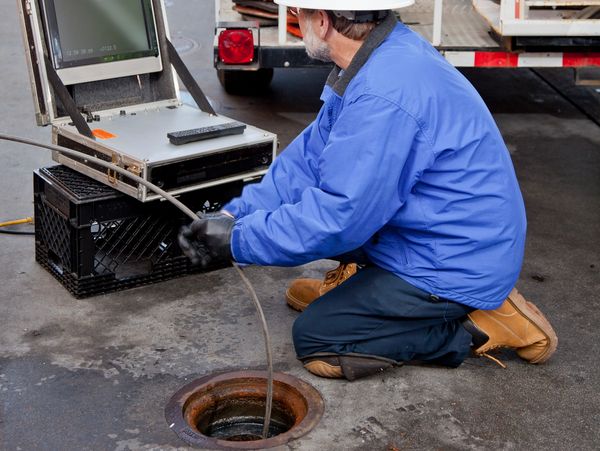
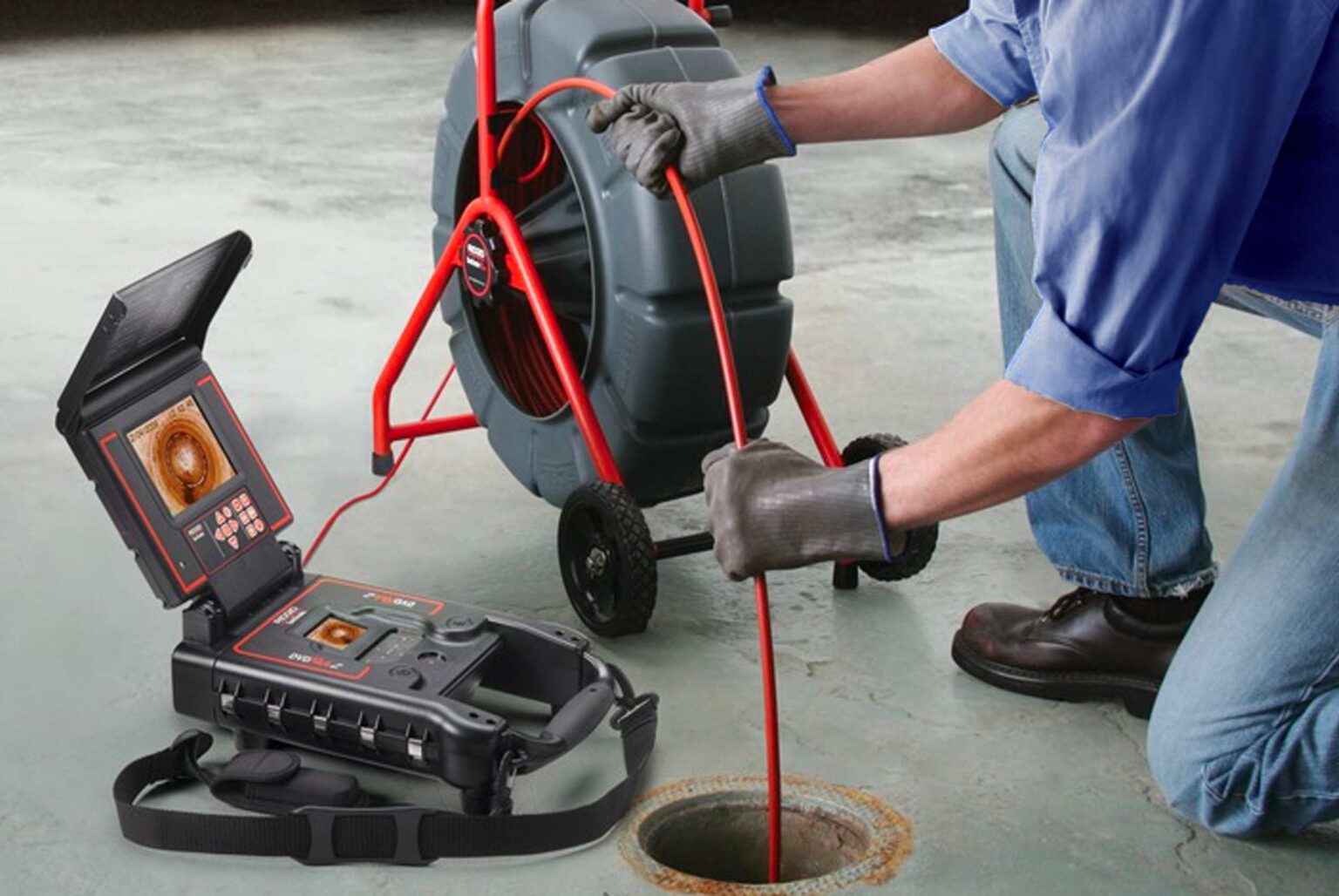
The head is pushed forward and everything it passes is logged. Entry is at an accessible opening, usually a cleanout, and from there the camera works along the reachable portion of the line while video comes back continuously. Root intrusion, cracks, separated joints, blockages, low sections holding water and collapsed areas are each identified at the point they are reached and recorded with the distance. Where the Sterling Heights line will not take the camera further, that distance is logged as a finding. The stages below cover the sequence.
Accessing the Sewer Line
The inspector identifies an appropriate accessible entry point for the camera equipment.
Camera Evaluation
A specialized camera is carefully moved through accessible portions of the sewer line, allowing the inspector to observe the visible interior condition of the pipe.
Identifying Concerns
We look for visible conditions such as cracks, root intrusion, blockages, deterioration, sagging sections, and other abnormalities that may affect the sewer line.
Reviewing the Findings
Observed concerns are documented so you have clearer information about the condition of the line and areas that may require additional professional attention.
Why a Sewer Camera Inspection Can Save Expensive Surprises
Reaching the pipe is what makes sewer work expensive. Excavating to a defect can involve removing a driveway, a path or planting and reinstating it, so where a fault sits along the run bears on the job as much as its severity does.
Recording the position before anything is dug is what keeps the smaller job possible. A Sterling Heights owner or buyer with the location and extent documented can weigh a targeted repair against wider work and compare quotes for the same defect.

Why Choose Us for Sewer Line Inspections?
An underground defect is easy to defer and costly to meet without notice, so the value of the survey lies in what it records. We examine the accessible line with a camera, place each finding at a distance along the run, and provide the footage with a written report.
Documented that way, the result settles a question rather than opening one. Anyone assessing the Sterling Heights line afterwards works from the same evidence. It can be scheduled alongside a home inspection in Sterling Heights, keeping both inside one due diligence period.
Camera Based Inspection Technology
We use specialized camera equipment to visually evaluate accessible portions of the sewer line and identify concerns that would otherwise remain hidden underground.
Focus on Costly Hidden Problems
We look for visible signs of root intrusion, blockages, damaged pipes, deterioration, sagging sections, and other conditions that may lead to larger plumbing problems.
Clear Findings
You should understand what the inspection found. We provide straightforward information about observed sewer line concerns so you can determine whether additional evaluation or repairs should be considered.
Frequently Asked Questions
What is a sewer line inspection?
A sewer line inspection uses specialized camera equipment to visually examine accessible portions of the interior of a property’s sewer pipe. It can identify visible blockages, damage, root intrusion, deterioration, sagging sections, and other concerns within the line.
What does the camera reveal?
It can be especially valuable. The condition of an underground sewer line is impossible to judge during a standard walkthrough, and identifying concerns before closing helps reduce the risk of unexpected sewer repair expenses after you take ownership of a Detroit property.
Is this part of a standard home inspection?
No, it should not be assumed. A detailed camera evaluation of the sewer line’s interior is a specialized service that goes beyond the scope of a standard home inspection. Many Detroit clients schedule both together so the whole property, above and below ground, is evaluated in one visit.
Is it worth it before buying here?
A sewer camera may reveal visible concerns such as tree root intrusion, cracks, pipe damage, blockages, buildup, deterioration, sagging sections, and other abnormalities within the accessible portions of the sewer line.
Can tree roots damage the line?
Yes. Tree roots can enter sewer lines through existing openings, damaged areas, or pipe joints, and continued growth can restrict flow and contribute to blockages or further damage. This is a common consideration in established neighborhoods with mature trees.
Are older homes the main candidates?
Older properties can particularly benefit from a sewer inspection because underground piping may have experienced decades of use. The actual condition depends on the pipe material, installation, maintenance history, soil conditions, and other factors, which is exactly what the camera helps determine.