
Residential vs. Commercial Inspections: Key Differences Explained
Residential vs. Commercial Inspections: Core Distinctions
When evaluating property investments, knowing the differences between residential and commercial inspections matters. Each inspection type follows its own goals and methods, and those differences can shape your decisions as a buyer, seller, or investor. This article breaks down the core distinctions — scope, process, regulatory expectations, and practical considerations — so you can factor inspections into your acquisition strategy with confidence.
We cover how inspections are scoped and carried out, what regulations typically apply, and which components deserve attention for both homes and commercial buildings. We also highlight implications for buyers and investors in Southeast Detroit, where careful inspections can reveal issues that materially affect value and negotiation leverage.
Scope of Inspections
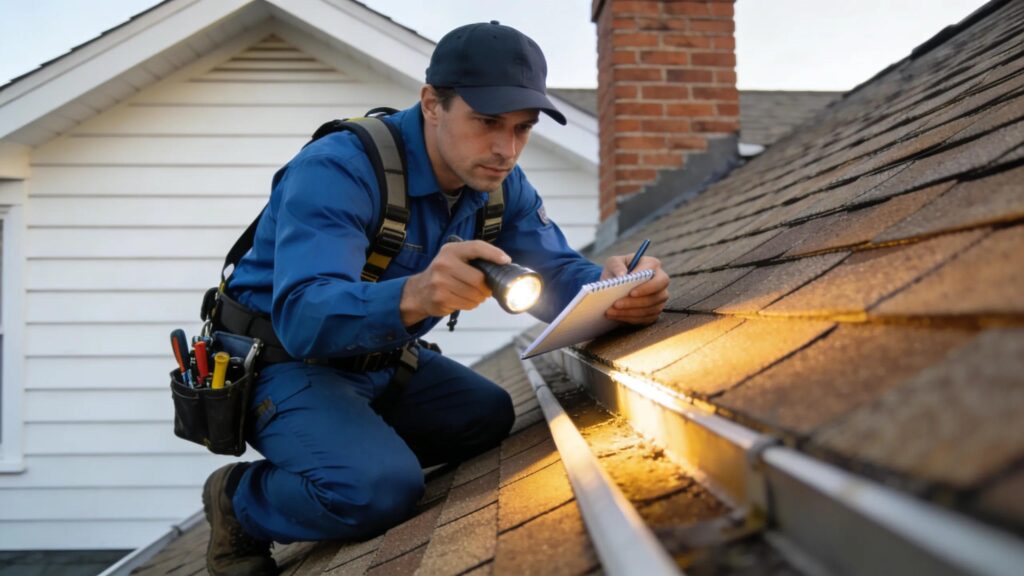
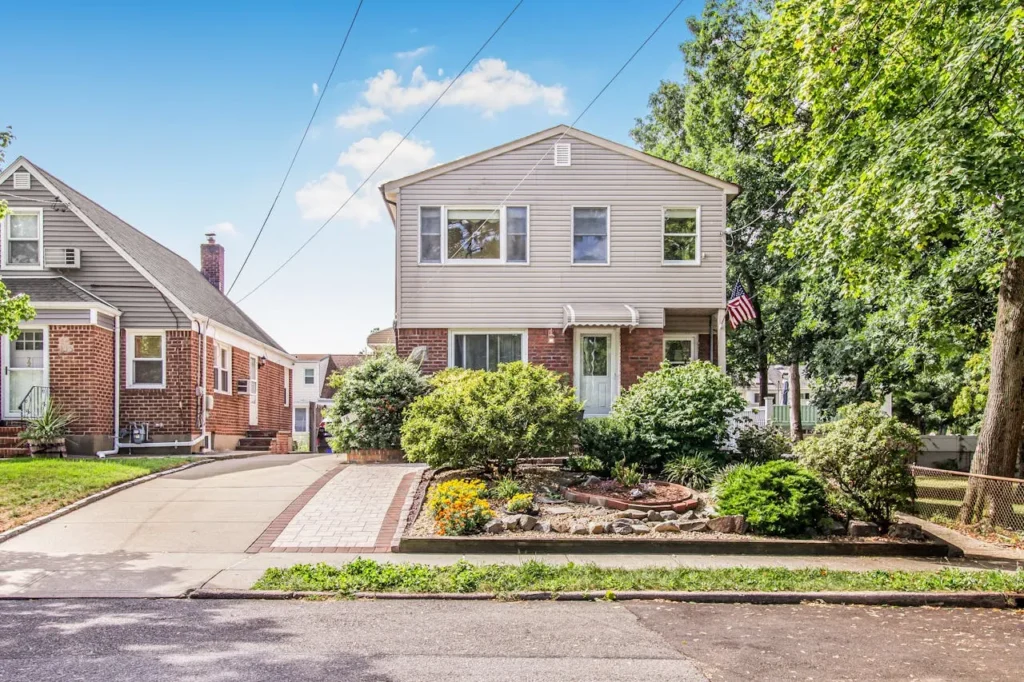
Inspection scope differs noticeably between residential and commercial properties. Residential inspections focus on a home’s condition — roof, foundation, plumbing, electrical systems, and common environmental concerns like mold. The goal is to confirm habitability and identify immediate or near-term repair needs.
Commercial inspections are broader and often more technical. They typically include detailed assessments of structural systems, HVAC, electrical distribution, and code compliance. Because commercial assets are larger and used differently, inspections aim to assess long-term operational risks and investment exposure. If you’re evaluating business properties, reviewing our guidance on commercial property inspections is a smart first step.
Inspection Processes
Procedures differ between the two property types. Residential inspections tend to follow a standardized checklist, are completed relatively quickly — often within a few hours — and yield a written report within 24–48 hours.
Commercial inspections often take longer and can involve multiple specialists. Depending on size and complexity, a commercial inspection may span several days and include separate reports from structural, mechanical, or environmental experts.
Requirements
Regulatory and training requirements vary by property type. Residential inspections are generally governed by local building codes focused on safety and livability; many inspectors rely on broad experience, though specialty tests (like thermal imaging or radon) may require extra certification.
Commercial inspections usually fall under stricter rules. Inspectors often need specialized licenses or certifications to evaluate systems, interpret code, and assess risks tied to occupancy, operations, and liability.
Considerations for Buyers and Investors
Knowing inspection differences helps buyers and investors prioritize risks. We recommend attending inspections when possible: being on site lets you ask questions and learn about maintenance priorities firsthand. For investors, thorough inspections clarify hidden costs, timing for repairs, and tenant-readiness.
In Southeast Detroit — where building conditions and market dynamics can vary widely — early identification of issues strengthens negotiation position and reduces surprises after closing.
The Estates Inspections and Valuations team stresses the value of a thorough inspection to protect buyers and investors and to avoid unexpected expenses from undisclosed defects. Learn more at Estates Inspections and Valuations.
What Are the Primary Differences Between Residential and Commercial Property Inspections?
Both inspection types evaluate condition, but they differ by focus and level of detail. Residential inspections concentrate on habitability and immediate repairs; commercial inspections emphasize long-term performance, code compliance, and operational risks.
How Do Inspection Scopes Vary Between Residential and Commercial Properties?
Residential scopes target systems typical of single-family homes — roofing, plumbing, electrical, and structural soundness. Commercial scopes examine broader structural integrity, multiple code standards, life-safety systems, and environmental factors across larger and more complex facilities.
Why Are Commercial Property Inspections Generally More Detailed?
Commercial inspections are more detailed because commercial properties present a wider range of systems and liabilities. They often require environmental testing (for radon or mold), specialized mechanical assessments, and verification of compliance with safety and accessibility codes. Overlooking these areas can create safety issues and financial risks for owners and tenants.
What Are the Key Components of a Residential Home Inspection?
A residential inspection typically covers core systems that show the property’s health and safety, for example:
- Roof systems: Condition, age, and signs of leaks or deterioration.
- Foundations: Evidence of settling, cracks, or moisture intrusion.
- Electrical systems: Installation condition, visible wiring issues, and basic code compliance.
These checks help buyers understand major maintenance needs and potential repair costs.
Which Roofing and Foundation Elements Are Assessed in Residential Inspections?
Residential roof reviews look at materials, remaining service life, flashing and drainage, and visible damage. Foundation checks focus on surface cracks, signs of movement, water penetration, and related indicators that may affect structure and value.
How Is the Electrical and Structural System Evaluated in a Home Inspection?
Inspectors assess electrical systems for safe installation, obvious wiring defects, and grounding. Structural evaluations look for signs of instability — uneven floors, wall cracks, or sagging — that could point to deeper problems requiring specialist follow-up.
How Does a Commercial Property Inspection Address Safety and Environmental Risks?
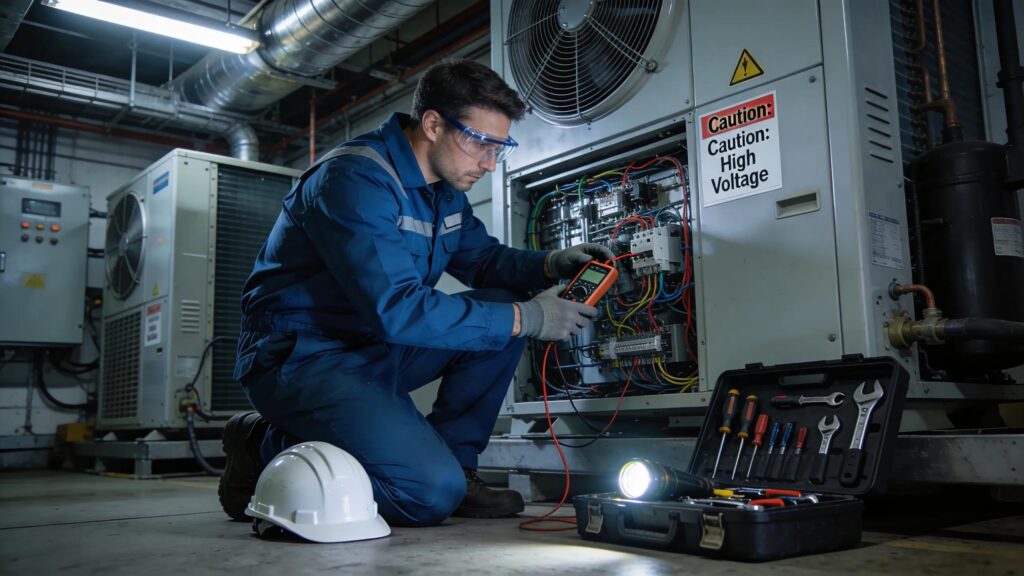
Commercial inspections place strong emphasis on safety and environmental risk. Inspectors look for code violations, operational hazards, and external factors — such as soil conditions or potential contamination — that could affect occupant safety or the property’s usable life.
What Role Do Building Systems and Safety Code Compliance Play in Commercial Assessments?
Building systems — fire protection, HVAC, plumbing, and electrical distribution — must meet specific safety codes. Compliance affects both operational efficiency and legal liability; inspectors verify not just function but adherence to current regulations.
How Are Environmental Hazards Like Radon and Mold Tested in Commercial Properties?
Commercial environmental testing typically requires specialized protocols. Radon and mold assessments may involve air and surface sampling, lab analysis, and targeted inspections to determine the scope and the remediation needs for occupant safety.
Why Are Property Inspections Essential for Buyers, Sellers, and Investors in Southeast Detroit?
In Southeast Detroit, inspections are a crucial tool for uncovering hidden defects that can influence purchase price, repair budgets, and long-term returns. A thorough inspection helps buyers and investors understand local building conditions and make informed offers.
How Do Inspection Reports Influence Property Valuation and Investment Decisions?
Inspection reports supply documented evidence of condition and risk. Detailed findings give buyers negotiating leverage for repairs, credits, or price adjustments and help investors forecast capital expenditures and timelines.
What Safety and Maintenance Issues Can Inspections Identify for Stakeholders?
Inspections commonly reveal safety hazards such as faulty wiring, structural weaknesses, or environmental concerns that require immediate attention. Early identification helps prioritize maintenance and protect both occupants and investment value.
What Does the Roof Inspection Process Include for Residential and Commercial Properties?
Roof inspections evaluate materials, structural support, potential leak sources, drainage, and code-related elements. Catching roofing issues early can prevent water damage and reduce long-term repair costs.
How Is the Foundation Inspection Process Conducted for Residential and Commercial Buildings?
Foundation inspections assess visible elements for cracks, settling, and moisture, often supported by tools like laser levels and moisture meters. Where concerns arise, inspectors may recommend further evaluation by a structural engineer.
What Structural Concerns Are Typically Identified in Foundation Evaluations?
Common concerns include significant cracks, lateral movement, uneven settlement, and evidence of water penetration. These signs guide decisions about repair urgency and structural safety.
How Do Foundation Issues Impact Long-Term Property Safety and Value?
Foundation problems can undermine long-term safety, increase repair costs, and reduce market value. Identifying and addressing them promptly helps protect occupants and preserves investment returns.