How to Interpret Property Inspection Reports Effectively
How to Read Property Inspection Reports
Inspection reports are essential for homeowners, buyers, sellers, and investors. They lay out a property’s condition and call out issues that may need repair or further evaluation. Knowing the common terms, how to read findings, and how to use those findings in repair negotiations helps you protect value and avoid costly surprises. This guide shows you how to interpret home inspection reports, negotiate repairs, and understand the differences between residential and commercial inspections — including the environmental tests that matter most.
Understanding Home Inspection Findings
A home inspection report gives a snapshot of a property’s condition. Start by reading the summary and then the detailed findings to see which items affect safety, function, or long-term value. Reports typically flag structural concerns, major mechanical failures, and other issues that might need prompt attention. Use the findings to build a maintenance plan and address high-priority items before they cause bigger problems.
Estates Inspections and Valuations provides professional inspections across Southeast Detroit to help buyers and homeowners spot concerns early and plan next steps.
Strategies for Negotiating Repairs
A clear, strategic approach improves repair negotiations. Use documented findings as leverage in price discussions or to request specific repairs. Communicate priorities clearly with your agent and the seller, and present reasonable estimates or quotes where possible. If the seller won’t cover repairs, consider alternatives such as credits, a reduced price, or a shared timeline for work to be completed.
Estates Inspections and Valuations can explain how report items affect negotiation strategy so transactions proceed with fewer surprises.
Key Factors to Consider
Several factors shape the inspection process and outcomes. Choose experienced, well-reviewed inspectors. Attend the inspection when possible to see issues firsthand and ask questions. Review the report promptly so you have time to respond or negotiate before deadlines pass.
What Are the Key Terms and Concepts in Property Inspection Reports?
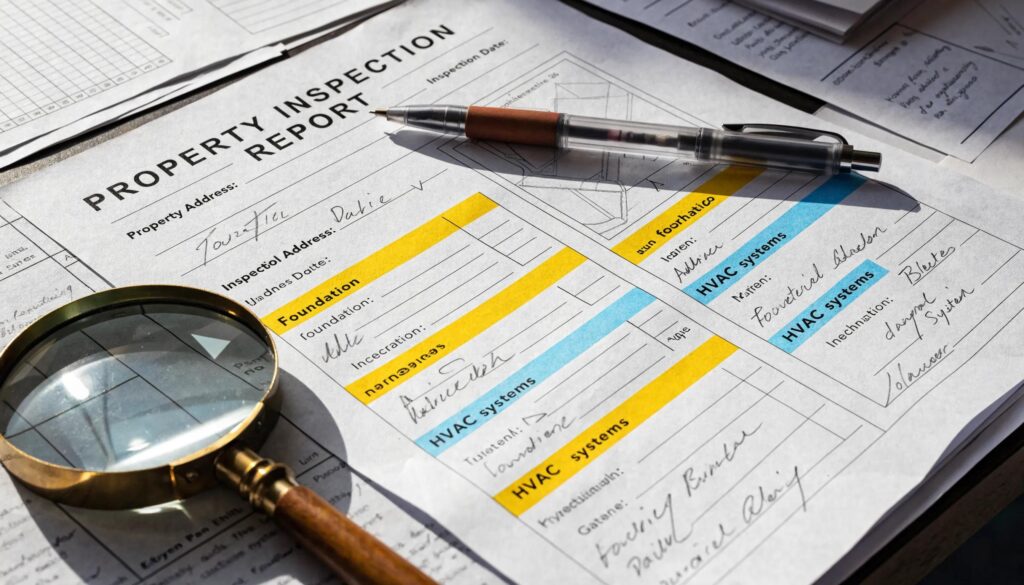
Inspection reports use specific terms that can feel technical at first. Learning the common vocabulary helps you interpret findings accurately and decide what action to take.
How to Understand Common Home Inspection Terminology Explained
Some frequently used terms include foundation — the structure’s base that supports the building — and HVAC systems, which refers to heating, ventilation, and air conditioning equipment. Knowing these definitions makes it easier to follow the report’s recommendations.
What Do Inspection Findings Indicate About Property Components?
Findings tell you the condition of the property’s components. For example, a report may note that a roof shows wear or damage, signaling the need for repair or replacement. Reading these notes helps you plan costs and timing for any work required.
Which Common Property Inspection Problems Should You Recognize?
Some issues appear frequently and should be prioritized:
- Leaking Pipes: Signs of water damage and potential mold risk.
- Electrical Faults: Safety hazards that often require immediate correction.
- Roof Damage: Can lead to leaks and structural concerns if not addressed.
Spotting these problems early lets you focus on the repairs that prevent larger expenses down the road.
Interpreting Inspection Results and Negotiating Property Repairs
Structural problems often show up as cracks in walls, uneven floors, or doors that don’t close properly, which can point to foundation movement. Roofing issues may be noted as missing shingles, sagging areas, or interior water stains. Electrical concerns include outdated wiring, overloaded panels, or lack of proper grounding. Recognizing these descriptions helps you judge urgency and next steps.
What Environmental Hazards Like Mold and Radon Mean for Property Safety
Environmental hazards such as mold and radon affect both health and value. Mold can trigger respiratory problems and indicate hidden moisture; radon is a carcinogen that can accumulate indoors. When tests flag elevated levels, remediation and follow-up testing are typically recommended. For more details, see our pages on mold inspections and radon testing.
How Can You Analyze Residential Versus Commercial Inspection Reports?
Residential and commercial inspections differ in scope and focus. Residential reports emphasize systems and living‑condition safety, while commercial inspections often cover larger structural elements, code compliance, and use‑specific concerns. Knowing the intended use of the building will guide how you interpret findings. For commercial guidance, review our commercial property inspections services.
What Are the Differences in Reporting for Residential Properties?
Residential reports focus on occupant safety, system function, and the property’s livability. Commercial reports expand to include regulatory issues, occupancy loads, and business‑related infrastructure. Recognizing these differences helps you focus on what matters for that property type.
How to Interpret the Specifics of Commercial Property Inspection Findings
Commercial findings should be read with the building’s purpose in mind. A fire‑safety issue in an event space is more urgent than the same issue in a storage facility. Tailor your response to the property’s operations and regulatory requirements.
What Steps Should You Follow to Negotiate Repairs After an Inspection?
Follow these practical steps when negotiating repairs:
- Review the Report Thoroughly: Understand each finding and its implications.
- Compile Your Requests: List and prioritize the repairs you want addressed.
- Engage in Open Dialogue: Communicate clearly with the seller and your agent.
- Stay Flexible: Be willing to consider credits, timelines, or alternative solutions.
How to Use Inspection Reports to Prioritize Necessary Repairs
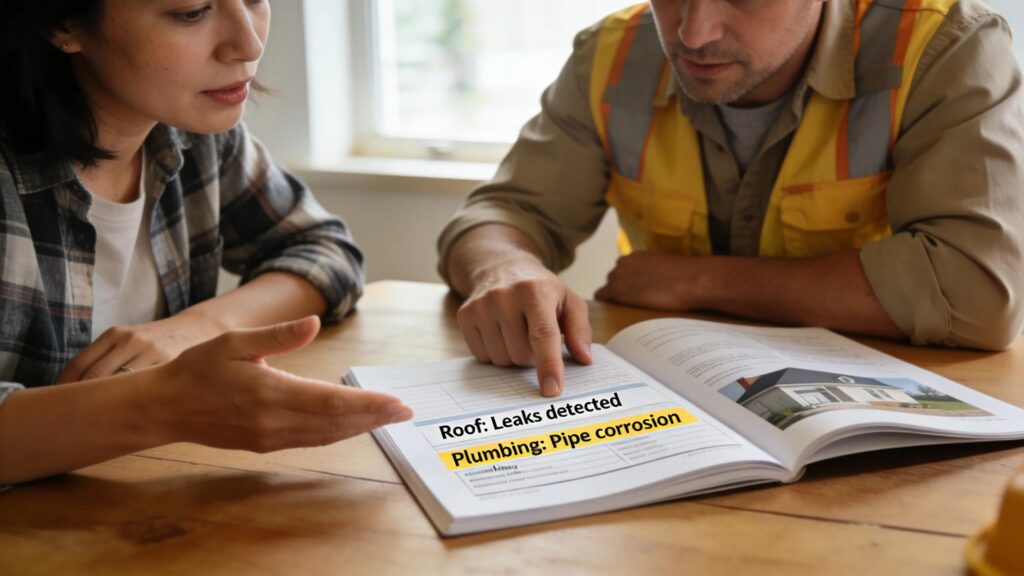
Use the report to separate urgent safety issues from longer‑term maintenance. Tackle immediate hazards first — things that threaten safety or cause active damage — and then schedule preventative or cosmetic work. A clear priority list keeps costs manageable and preserves property value.
What Strategies Facilitate Effective Repair Negotiations With Sellers
Successful negotiations balance firmness with reason. Back repair requests with documentation or contractor estimates, stay reasonable about costs and timelines, and be prepared to compromise where appropriate. Demonstrating you understand the scope and cost of repairs builds credibility and helps reach a fair outcome.
How Do Environmental Tests Affect Your Interpretation of Inspection Reports?
Environmental results can change priorities and negotiation leverage. A positive mold or high radon result raises health concerns and usually requires remediation, which can shift repair requests or price negotiations. Treat environmental tests as high‑impact findings when planning next steps.
Why Are Radon and Mold Testing Important for Property Valuation?
Elevated radon or active mold can lower buyer interest and reduce offers, since remediation adds time and cost. Buyers and lenders often require mitigation before closing, which affects valuation and the terms of a sale.
How to Assess Environmental Risks Noted in Inspection Reports
Assess risks by reviewing test results, getting professional remediation estimates, and arranging follow‑up testing after any work. That process clarifies the level of concern and the likely cost to resolve issues, which feeds directly into negotiation strategy.
What Is the Impact of Inspection Findings on Property Valuation?
Inspection findings can reduce market value when major defects or safety issues appear. Buyers may lower offers or ask for credits to cover repair costs. By quantifying repair needs and costs, you can better understand how findings will influence price and terms.
How Do Reported Issues Influence Market Value and Investment Decisions?
Reported issues affect buyer confidence and investment calculus. Items flagged in reports can slow a sale, reduce offers, or shift responsibility for repairs. For investors, clear inspection details help forecast maintenance budgets and inform buy/price decisions.
How Can Thorough Inspection Reports Support Informed Property Transactions?
Comprehensive inspection reports give buyers and sellers the information needed to negotiate with confidence, prioritize repairs, and plan investments. Professional inspections from Estates Inspections and Valuations help clarify risks and next steps. For details on our home inspection services, please review our service pages.