
How a Home Inspector in Southfield, Michigan Spots Fall Water Intrusion
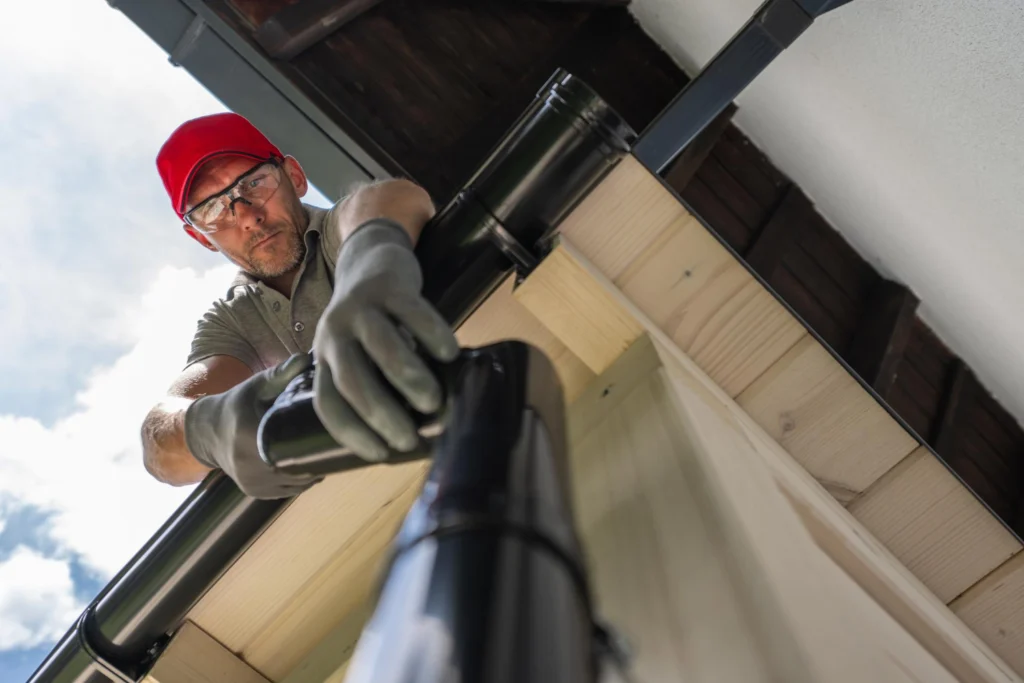
Fall Rain Reveals Hidden Weaknesses
Fall rain can bring moisture problems to the surface that stayed hidden through a dry summer. In Southfield, cooler temperatures, falling leaves, and repeated storms can put extra pressure on roofs, gutters, siding, and foundation drainage. We help clients understand the visible clues that may point to water entry before snow and freeze-thaw conditions make damage harder to manage.
A home inspector in Southfield, Michigan often sees small warning signs that deserve a closer look. Overflowing gutters, damp odors, ceiling stains, warped finishes, or wet insulation may all suggest that rainwater is finding a path where it should not.
Repeated rainfall can overwhelm several parts of a property at once, including:
- Gutters packed with leaves and debris
- Aging roof materials and worn flashing
- Soil that slopes toward the foundation
- Downspouts that release water too close to the building
- Exterior drainage areas that are blocked or poorly directed
Not every issue is easy to spot from a finished room. Water may travel behind walls, beneath flooring, or along framing before leaving a stain in a visible area. A professional inspection helps us document observable conditions, identify likely moisture paths, and help you prioritize next steps before winter arrives.
Roof and Gutter Clues That Signal Water Entry
During fall inspections, we pay close attention to how rain moves off the roof and away from the property. Leaves can quickly collect in gutters and roof valleys, slowing water flow and allowing it to back up near vulnerable areas. Seasonal storms may reveal problems that are less noticeable when the weather is dry.
From the exterior, we look for visible roof conditions that could allow water entry. These may include missing or damaged shingles, worn flashing, exposed fasteners, deteriorated sealant around penetrations, and sagging roof areas. Roof penetrations, such as vents and other openings, deserve special attention because water can enter around damaged or aging materials.
Gutters and downspouts tell an important part of the story, too. We may note loose gutter sections, poor slope, overflow marks, leaf clogs, or downspouts that discharge near the foundation. Water that spills over the gutter edge can affect fascia boards, siding, windows, and soil around the home.
Inside, we connect these exterior observations with signs such as ceiling stains, attic moisture, wet insulation, and mold-like odors. An inspection identifies observable conditions at the time of the visit. When findings suggest a more involved issue, we may recommend further evaluation or repairs by the appropriate qualified professional.
How a Home Inspector in Southfield, Michigan Tracks Leaks
The stain on a ceiling or wall is not always directly below the point where water entered. Rainwater can move along roof decking, framing, wiring openings, and wall cavities before it becomes visible. That is why we follow the likely path of water instead of relying only on the location of interior damage.
Our review often begins outside and works inward. We may examine roof edges, flashing, siding transitions, window trim, exterior openings, grading, and foundation walls. From there, we compare what we see with attic spaces, finished rooms, lower levels, and other accessible areas.
Common fall leak patterns can include water entering around a roof penetration, moving along framing, collecting near an exterior wall, or showing up far from its original entry point. A ceiling stain might be related to roof drainage, but it can also be connected to a flashing issue, a wall opening, or another condition that needs closer review.
To support a moisture investigation, we may use observations and tools such as:
- Moisture meters for accessible materials
- Thermal imaging when conditions make it appropriate
- Close visual review of stains, finishes, and insulation
- Documentation of visible damage and suspected pathways
These methods do not guarantee that every leak source will be found. They do, however, provide useful information for making informed repair decisions and deciding whether additional evaluation is needed.
Basements and Foundations Under Autumn Pressure
Basements, crawl spaces, and foundation areas often feel the effects of fall rain first. When surface water is not directed away from the property, it can collect near foundation walls and create damp conditions below grade. In some cases, moisture concerns begin outside with something as simple as settled soil or a downspout ending too close to the building.
We watch for drainage conditions that may send water toward the foundation rather than away from it. Poor grading, short downspout extensions, blocked drains, and low areas near exterior walls can all contribute to unwanted moisture around the structure.
Inside lower levels, warning signs may include damp foundation walls, white mineral deposits known as efflorescence, peeling paint, musty odors, water stains, rusted mechanical components, and damage to stored belongings. These signs do not always identify the exact source on their own, but they can show that moisture has been present.
Fall is a practical time to address observable drainage concerns. Water that reaches foundation areas before winter can continue to affect materials as temperatures change. Freezing conditions, expanding ice, and spring thaw may place added stress on already damp areas and worsen existing cracks or seepage patterns.
Windows, Siding, and Attics Expose Moisture Paths
Exterior wall systems can also reveal where rainwater may be getting inside. Around windows and doors, we look for failed caulking, deteriorated trim, gaps in siding, loose flashing, damaged brick mortar, and staining below openings. These conditions may allow water to move behind exterior finishes and affect nearby wall materials.
Attic observations can add another layer of information. Darkened roof sheathing, damp insulation, mold-like growth, rusted nail tips, and condensation near vents may point to moisture concerns. Some of these signs can be related to rainwater intrusion, while others may be linked to ventilation, air leaks, or indoor humidity.
That difference matters as the heating season begins. Condensation and rainwater can create similar stains, odors, or dampness, but the source and repair approach may be different. A complete inspection helps us compare exterior conditions with attic and interior findings so you have a clearer picture of what may be happening.
Protect Your Property Before Winter Weather Sets In
Stains, musty odors, overflowing gutters, basement dampness, roof concerns, and drainage problems are all worth taking seriously before winter weather arrives. A timely professional inspection can help you understand visible conditions and make better decisions about repairs, further evaluation, or ongoing maintenance.
For buyers, sellers, investors, and commercial property owners across Southeast Detroit, early attention can prevent a small moisture clue from being ignored until snow, ice, and spring thaw add more stress to the property.
Get Clear Answers Before Problems Grow
At Estates Inspections and Valuations, we provide thorough assessments that help you understand what your property may need next. Schedule with a home inspector in Southfield, Michigan for detailed findings you can use with confidence. To discuss your inspection needs, contact us today.