
Home Air Monitors Vs. Radon Testing in Wayne County
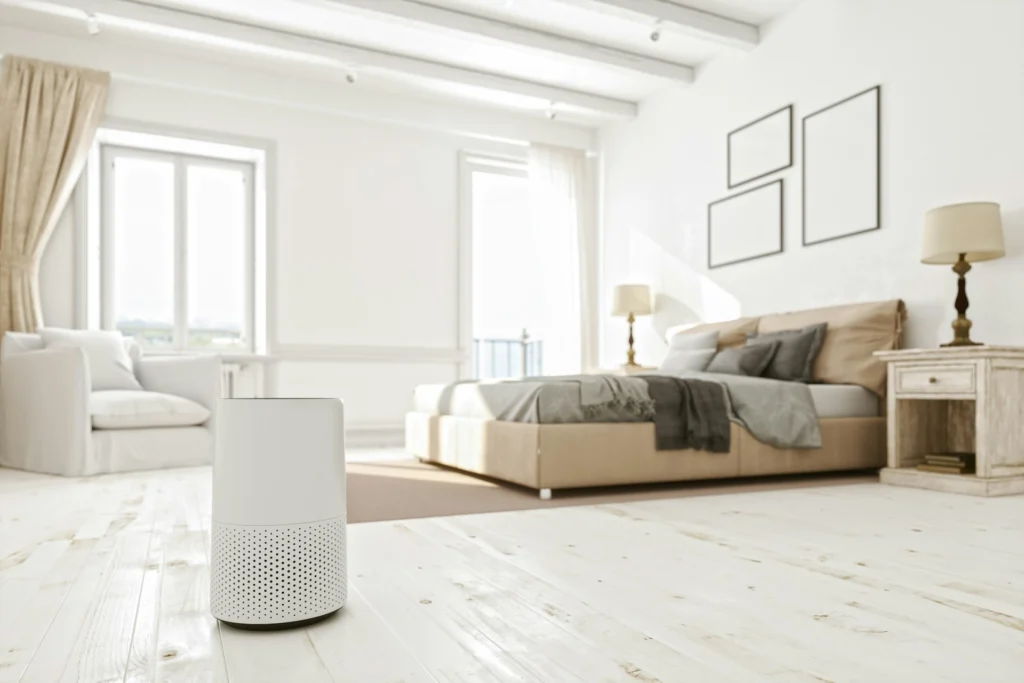
Protect Indoor Air Before Winter Windows Close
As November brings cooler weather to Wayne County, many homes stay closed up for longer stretches. That change can reduce fresh-air exchange and allow indoor air concerns to become more noticeable, from stuffy rooms and lingering odors to moisture and dust.
We often hear one question from property owners: should you buy a home air monitor, or should you arrange radon testing in Wayne County? Both options can be useful, but they measure very different things. The right choice depends on what you are concerned about, how accurate the results need to be, and whether those results will affect a property, health, or mitigation decision.
What Home Air Monitors Can Tell You
Consumer home air monitors are designed to track common indoor air conditions over time. Depending on the device, readings may include temperature, humidity, carbon dioxide, particulate matter, and volatile organic compounds, often called VOCs.
These readings can help you notice patterns that may be worth a closer look. Cooking, cleaning products, candles, pets, smoke, household materials, and everyday activity can all affect indoor conditions. A monitor may show that air quality changes after certain activities or that a particular room tends to feel more humid or poorly ventilated.
A home air monitor can offer useful clues about:
- Humidity that may contribute to condensation or mold concerns
- Particulate matter from cooking, smoke, dust, or outdoor air
- Carbon dioxide patterns that may point to limited fresh-air exchange
- VOC changes connected to household products or materials
For example, elevated humidity can suggest that moisture deserves attention, especially in bathrooms, basements, and other enclosed areas. Higher particulate readings may lead you to consider filtration, ventilation, or changes in cleaning and cooking habits.
Still, a general air monitor has limits. It cannot diagnose mold, identify every contaminant, or determine where a problem began. It also does not replace targeted inspection or testing when you have a specific concern about mold, radon, sewer conditions, or another property issue. Think of it as a way to spot changes and trends, not as a tool that answers every indoor air question.
Why Radon Requires Specialized Testing
Radon is different from the everyday air-quality concerns a home monitor may track. It is a naturally occurring radioactive gas that can enter a property from the soil. Because radon is colorless and odorless, you cannot see it or smell it when it is present.
The gas may enter through openings and pathways such as foundation cracks, sump pits, floor drains, utility openings, and other areas where the structure meets the ground. A home can look clean, dry, and well cared for while still having a radon concern.
That is why radon testing in Wayne County requires equipment made specifically to measure radon levels. We use professional testing methods, including continuous radon monitors or other approved devices, to document readings during an appropriate testing period.
Nearby properties do not provide a reliable answer for your own property. Radon conditions can vary from one building to the next because several details can affect how gas moves into and through a structure:
- Foundation type and the amount of soil contact
- Cracks, drains, pits, and utility penetrations
- Ventilation and heating system operation
- Renovation history and changes to lower-level spaces
- The way air moves throughout the building
A newer home is not automatically free from radon, and an older home is not automatically more likely to have it. Testing is the only way to know what is happening in a specific property.
Radon Testing During Property Decisions
For buyers, a radon test during the inspection period can provide information before closing. The results may help you better understand a potential concern in the home and support informed conversations about mitigation or appropriate next steps. It is easier to review this information before a purchase is final than after you move in.
Sellers may also benefit from being proactive. Testing before listing can reduce the chance of a surprise during a buyer’s inspection period. If results show elevated levels, the seller has more time to consider the next step instead of facing rushed decisions during negotiations.
Investors and commercial property owners have reasons to pay attention as well. Rental homes, multifamily buildings, offices, and other occupied spaces can benefit from radon testing as part of broader property due diligence and indoor environmental planning. When people spend time in a building, knowing more about its indoor conditions supports better property decisions.
Winter Testing Conditions Matter
Cooler weather makes November a natural time to think about testing, since windows are often closed and heating systems are running. Those conditions can change indoor air movement, which is one reason proper test setup matters.
Professional short-term radon tests commonly require closed-house conditions before and during the testing period. We provide clear instructions so you know how to handle windows, exterior doors, whole-house fans, and HVAC operation while the test is in place. Following those directions helps protect the quality of the result.
Closed-house conditions do not mean a property must be sealed beyond normal daily living. People can generally continue normal entry and exit, but repeated opening of windows or exterior doors can interfere with the testing environment. If you are preparing for a test, it is best to ask about the requirements ahead of time rather than guessing.
Winter is not a reason to delay testing. Radon levels can vary over time, but a properly performed test still gives meaningful information about the property. When results are elevated or close to recommended action levels, follow-up testing or mitigation guidance may be appropriate.
Choose the Test That Answers Your Question
A home air monitor can be helpful when you want to follow general indoor air patterns, such as humidity changes, particle levels, or ventilation concerns. It may help you notice when conditions shift and when a room deserves more attention. Radon testing is the better choice when you need an accurate measurement of radon in a house, rental property, office, or other building.
Avoid relying on assumptions about your neighborhood, the age of the home, or the type of foundation. The practical takeaway is simple: use a general air monitor for broad air-quality clues, and use specialized radon testing when the question is radon.
Get Clear Answers About Your Home’s Radon Levels
Estates Inspections and Valuations provides focused testing to help you make informed decisions about your indoor environment. Schedule radon testing in Wayne County for results tailored to the specific concern at hand. If you have questions or are ready to arrange an appointment, contact us today.