Mold Inspection 101: Protecting Your Family and Your Investment
Michigan Mold Inspection Guide: Protect Your Health & Investment
By Jamal Makki, Estates Inspections and Valuations
Mold inspection is a critical process for homeowners and property investors, ensuring the safety and integrity of residential and commercial spaces. This guide will delve into the essentials of mold inspection, including its importance, the inspection process, health risks associated with mold, and preventive measures. Understanding these aspects is vital for protecting your family and your investment in Michigan. Many property owners are unaware of the hidden dangers mold can pose, which can lead to significant health issues and financial losses. This article will cover the key signs of mold, the inspection process in Southeast Detroit, the costs and benefits of inspections, and how to interpret inspection reports effectively.
Mold Inspection 101: A Guide for Michigan Homeowners
Mold inspection is a systematic evaluation of a property to identify the presence of mold and assess potential health risks. This process typically involves visual assessments and air quality testing to detect mold spores and moisture sources. For homeowners in Michigan, understanding the local climate’s impact on mold growth is essential, as humidity and temperature fluctuations can create ideal conditions for mold proliferation. By being proactive about mold inspections, homeowners can maintain a safe living environment and protect their property value.
Importance of Mold Inspections

Mold inspections are crucial for several reasons, primarily concerning health and financial implications. Mold exposure can lead to various health issues, including respiratory problems, allergic reactions, and other serious conditions. Additionally, mold can significantly affect property value, as potential buyers may be deterred by the presence of mold or its associated health risks. Regular inspections help identify mold issues early, allowing for timely remediation and minimizing potential damage. Estates Inspections and Valuations emphasizes the importance of thorough inspections to ensure that homeowners are informed about their property’s condition and can make educated decisions regarding their investments.
Michigan Mold Inspection Guide: Protect Your Health & Investment
The mold inspection process typically involves several key steps to ensure a comprehensive evaluation of the property. Initially, inspectors conduct a visual assessment to identify visible mold growth and moisture sources. Following this, air quality tests may be performed to detect mold spores in the air. The reporting timeline usually spans 24-48 hours, providing homeowners with prompt feedback on their property’s condition. Estates Inspections and Valuations follows a detailed inspection process, ensuring that all potential mold issues are thoroughly assessed and documented.
Health Risks Associated with Mold
Mold exposure can lead to various health risks, particularly for sensitive populations such as children, the elderly, and individuals with pre-existing respiratory conditions. Common health issues linked to mold exposure include asthma, allergic reactions, and chronic respiratory infections. Long-term exposure can exacerbate these conditions and lead to more severe health complications. Understanding these risks highlights the importance of regular mold inspections and prompt remediation efforts to protect the health of occupants.
Further research emphasizes the critical need for comprehensive strategies to prevent mold and mitigate its health impacts, especially following significant water damage events.
Comprehensive Mold Prevention & Health Strategies
Extensive water damage after major hurricanes and floods increases the likelihood of mold contamination in buildings. This report provides information on how to limit exposure to mold and how to identify and prevent mold-related health effects. Where uncertainties in scientific knowledge exist, practical applications designed to be protective of a person’s health are presented. Evidence is included about assessing exposure, clean-up and prevention, personal protective equipment, health effects, and public health strategies and recommendations. The recommendations assume that, in the aftermath of major hurricanes or floods,
Mold prevention strategies and possible health effects in the aftermath of hurricanes and major floods, 2006
Michigan Mold Inspection Guide: Protect Your Health & Investment
Preventing mold growth is essential for maintaining a healthy living environment. Homeowners can implement several strategies to reduce the risk of mold development, including:
- Moisture Control: Keeping humidity levels below 60% can significantly reduce mold growth.
- Regular Inspections: Conducting routine inspections can help identify potential mold issues before they escalate.
- Use of Mold-Resistant Products: Incorporating mold-resistant materials in construction and renovation can provide an additional layer of protection.
By taking these preventive measures, homeowners can safeguard their properties against mold-related issues.
What Are the Common Signs of Mold in Homes and Commercial Properties?
Identifying mold presence early is crucial for effective remediation. Common signs of mold in homes and commercial properties include:
- Visible Mold Growth: Dark spots or patches on walls, ceilings, or floors.
- Musty Odors: A persistent, unpleasant smell often indicates hidden mold.
- Water Damage: Signs of water leaks or damage can create favorable conditions for mold growth.
How to Identify Visible and Hidden Mold Growth
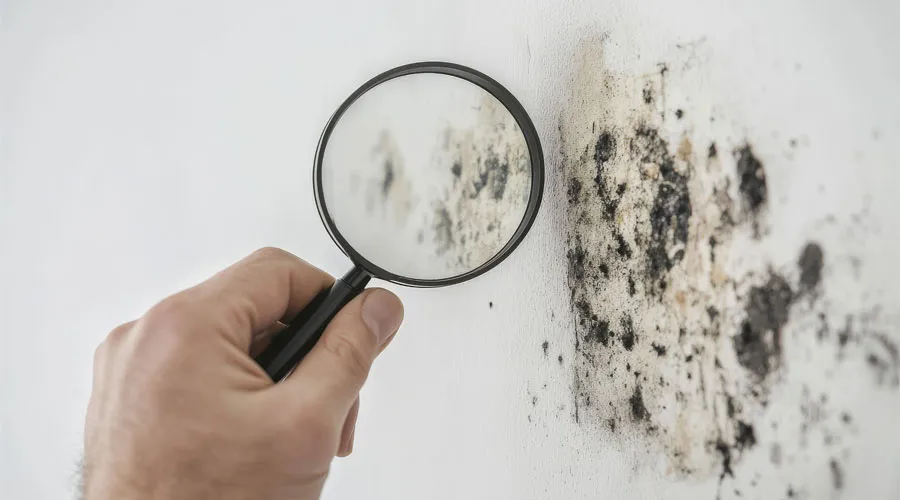
To effectively identify mold, homeowners should conduct regular visual inspections in areas prone to moisture, such as bathrooms, kitchens, and basements. Utilizing tools like moisture meters can help detect hidden mold growth behind walls or under flooring. Additionally, being aware of environmental conditions that favor mold growth, such as high humidity and poor ventilation, can aid in early detection.
Health Symptoms Linked to Mold Exposure in Residential and Commercial Settings
Exposure to mold can lead to various health symptoms, including:
- Respiratory Issues: Coughing, wheezing, and difficulty breathing are common reactions.
- Allergic Reactions: Symptoms such as sneezing, runny nose, and skin rashes may occur.
- Long-Term Health Effects: Prolonged exposure can lead to chronic respiratory conditions and other serious health problems.
How Does the Mold Inspection Process Work in Southeast Detroit?
In Southeast Detroit, the mold inspection process is tailored to address the unique environmental conditions of the area. Inspectors begin with a thorough visual assessment, followed by air quality testing to identify mold spores. Local expertise is crucial, as inspectors understand the specific challenges posed by the region’s climate. This localized approach ensures that property owners receive accurate assessments and effective solutions for any mold issues.
Michigan Mold Inspection Guide: Protect Your Health & Investment
Understanding the costs and benefits of mold inspections is essential for property owners. While the cost of inspections can vary based on property size and complexity, the benefits often outweigh the expenses. Regular inspections can prevent costly remediation efforts and protect property value.
Understanding Home Mold Inspection Cost Factors
Several factors influence the cost of home mold inspections, including:
- Size of Property: Larger properties typically require more extensive inspections.
- Inspection Complexity: Properties with previous mold issues may need more detailed assessments.
- Local Market Rates: Prices can vary based on regional demand for inspection services.
Value of Mold Inspections for Real Estate and Investment Decisions
Mold inspections play a vital role in real estate transactions, providing potential buyers with critical information about a property’s condition. A thorough inspection can uncover hidden mold issues, allowing buyers to make informed decisions and negotiate repairs or price adjustments. For investors, understanding mold risks can lead to better investment choices and long-term savings.
Michigan Mold Inspection Guide: Protect Your Health & Investment
Interpreting mold inspection reports is essential for understanding the findings and determining the next steps for remediation. These reports typically include a summary of findings, recommendations for remediation, and visual aids to help homeowners understand the extent of the mold issue.
Key Elements of a Detailed Mold Inspection Report
A comprehensive mold inspection report should include:
- Findings Summary: An overview of identified mold issues and their locations.
- Recommendations for Remediation: Suggested actions to address mold problems effectively.
- Visual Aids in Reports: Photographs or diagrams to illustrate mold presence and affected areas.
Overview of the Mold Remediation Process and Safety Measures
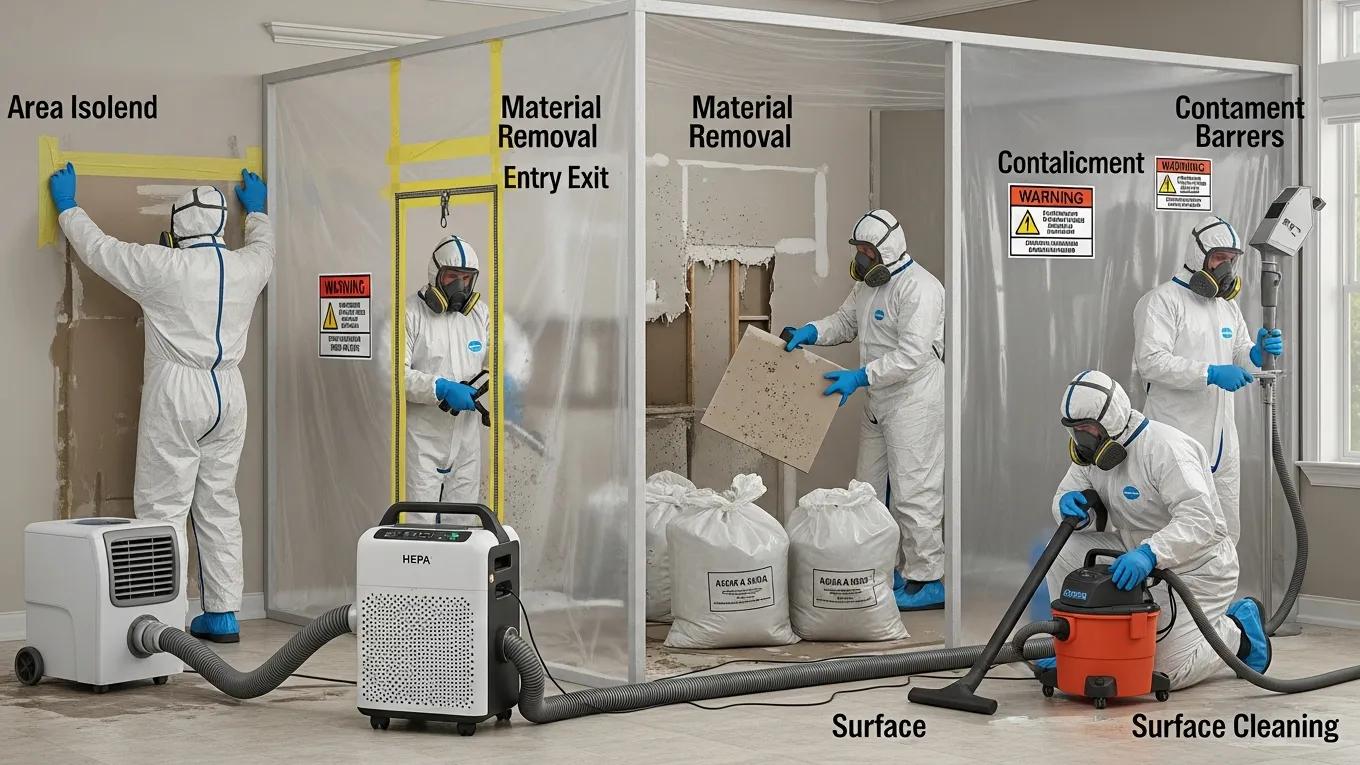
The mold remediation process involves several key steps to ensure safe and effective removal of mold. This typically includes:
- Containment: Isolating affected areas to prevent mold spores from spreading.
- Removal: Safely removing mold-infested materials and cleaning surfaces.
- Post-Remediation Testing: Conducting follow-up inspections to ensure mold has been effectively eliminated.
Safety measures, such as wearing protective gear and ensuring proper ventilation, are crucial during the remediation process to protect workers and occupants.
Why Choose Estates Inspections and Valuations for Mold Testing Services in Southeast Detroit?
Estates Inspections and Valuations offers specialized mold testing services tailored to the needs of Southeast Detroit residents. With a focus on thorough assessments and transparent reporting, the company ensures that clients receive accurate information about their properties.
Expertise and Qualifications of Our Mold Inspection Team
Our mold inspection team is composed of qualified professionals with extensive training and experience in mold assessment and remediation. They are equipped with the latest tools and techniques to provide reliable inspections and ensure the safety of your property.
Client-Centric Approach and Transparent Reporting Practices
At Estates Inspections and Valuations, we prioritize clear communication and client support throughout the inspection process. Our detailed reports provide clients with a comprehensive understanding of their property’s condition, empowering them to make informed decisions regarding mold remediation and prevention. To see what others have to say, check out our testimonials.
Frequently Asked Questions
What should I do if I find mold in my home?
If you discover mold in your home, it’s essential to act quickly. First, identify the source of moisture that is allowing mold to grow, as addressing this is crucial for effective remediation. Depending on the extent of the mold, you may be able to clean small areas yourself using appropriate cleaning solutions. However, for larger infestations or if you have health concerns, it’s advisable to contact a professional mold remediation service. They can assess the situation and ensure safe and thorough removal of the mold.
How often should I schedule mold inspections?
Homeowners should consider scheduling mold inspections at least once a year, especially in areas prone to moisture, such as basements and bathrooms. Additionally, it’s wise to have an inspection after significant water damage events, such as flooding or leaks. Regular inspections help catch mold issues early, preventing extensive damage and health risks. If you notice any signs of mold, such as musty odors or visible growth, you should schedule an inspection immediately, regardless of the last inspection date.
Can mold inspections help with real estate transactions?
Yes, mold inspections can significantly impact real estate transactions. A thorough inspection provides potential buyers with critical information about the property’s condition, including any hidden mold issues. This transparency can influence negotiations, as buyers may request repairs or price adjustments based on the findings. For sellers, having a mold inspection report can enhance trust and demonstrate that the property has been well-maintained, potentially speeding up the sale process and increasing property value.
What are the differences between mold inspection and mold testing?
Mold inspection and mold testing are related but distinct processes. A mold inspection involves a visual assessment of the property to identify visible mold growth and moisture sources. It may include air quality assessments to detect mold spores. In contrast, mold testing specifically refers to the collection and analysis of samples to identify the type and concentration of mold present. While inspections provide a general overview, testing offers detailed information about mold species and levels, which can be crucial for health assessments and remediation planning.
Are there specific mold prevention products I should use?
Yes, several mold prevention products can help protect your home. Mold-resistant paints and drywall are excellent options for areas prone to moisture, as they inhibit mold growth. Additionally, using dehumidifiers can help maintain humidity levels below 60%, reducing the likelihood of mold development. Regularly applying mold inhibitors to surfaces in high-moisture areas, such as bathrooms and kitchens, can also be beneficial. Always ensure proper ventilation in these spaces to further prevent mold growth.
What are the long-term effects of mold exposure?
Long-term exposure to mold can lead to serious health issues, particularly for sensitive individuals, such as those with asthma, allergies, or weakened immune systems. Chronic respiratory problems, persistent allergic reactions, and even neurological symptoms can arise from prolonged exposure. In some cases, individuals may develop mold-related illnesses that require medical attention. Therefore, it is crucial to address mold issues promptly and maintain a mold-free environment to protect the health of all occupants.
How can I choose a reliable mold inspection service?
When selecting a mold inspection service, consider several factors to ensure reliability. Look for companies with certified professionals who have experience in mold assessment and remediation. Check online reviews and testimonials to gauge customer satisfaction. It’s also beneficial to choose a service that offers transparent reporting practices, providing detailed findings and recommendations. Finally, ensure they use advanced tools and techniques for thorough inspections, as this can significantly impact the quality of the assessment.