
Why Every Seller Needs a Pre-Listing Home Inspection
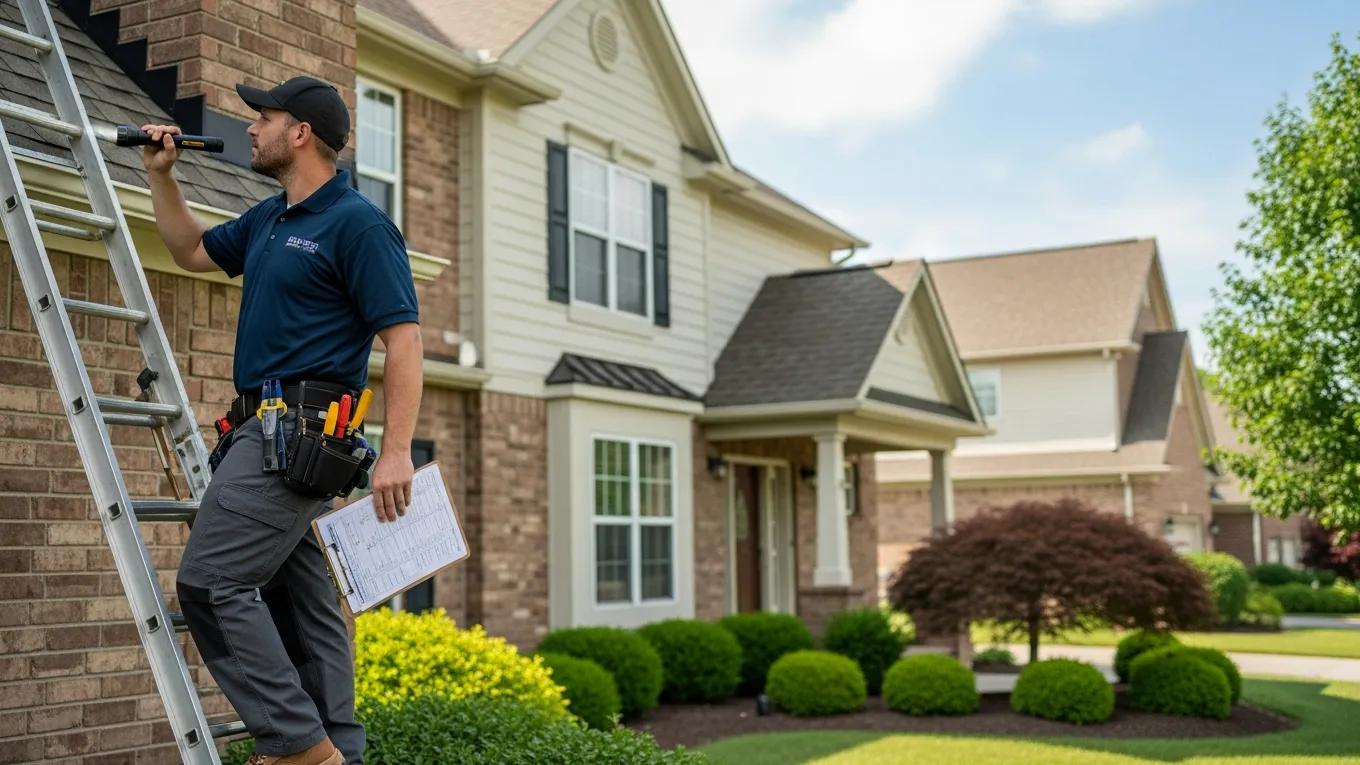
Why Sellers Should Invest in Pre-Listing Inspections
By Jamal Makki, Estates Inspections and Valuations
In the competitive real estate market, sellers must take proactive steps to ensure their properties stand out. A pre-listing home inspection is a crucial tool that provides sellers with a comprehensive understanding of their property’s condition before it hits the market. This article will explore the essential benefits of pre-listing inspections, including how they can identify hidden defects, enhance seller confidence, and influence negotiations. By addressing potential issues upfront, sellers can streamline the selling process and potentially increase their property’s value. We will also discuss the specifics of what a pre-listing inspection includes, the costs involved, and the unique considerations for commercial property inspections in Southeast Michigan.
This comprehensive approach to understanding a property’s condition is part of a broader field of real estate surveying, which encompasses various forms of evaluation and due diligence.
Real Estate Surveying: Inspections & Property Evaluation
The concept ofsurveyingas a special kind of professional activity at the real estate market has been specified and described. It has been pointed out thatsurveyingincludes a number of specializations from landsurveying, geodesic works and cartography to inspection, due diligence, real estate objects evaluation and management.
International experience in introducing surveying to real estate management, 2022
What Does a Pre-Listing Home Inspection Include for Sellers?
A pre-listing home inspection is a thorough evaluation of a property’s condition, covering various critical components. This inspection typically includes a detailed assessment of major systems such as roofing, plumbing, electrical systems, and structural integrity. The goal is to identify any existing issues that could affect the sale or the property’s value.
Indeed, a comprehensive pre-listing inspection delves deep into the property’s core, as highlighted by industry insights.
Pre-Listing Home Inspection Scope & Problem Identification
inspections identify problems but building diagnostics identifies solutions to the found problems. A pre-listing inspection focuses on all major systems and components of the house.
Considering Add On Insurance for Extended Protection
By understanding the condition of these components, sellers can make informed decisions about repairs or improvements before listing their property.
How Do Inspections Help Identify Hidden Defects and Safety Issues?

Pre-listing inspections play a vital role in uncovering hidden defects and safety issues that may not be immediately visible. These inspections provide a comprehensive overview of the property’s condition, allowing sellers to address potential problems proactively. For instance, issues such as mold, radon, or structural damage can significantly impact a buyer’s decision and the overall sale process.
Identifying these issues early can prevent costly surprises during negotiations or after the sale. Moreover, addressing safety concerns can enhance the property’s appeal to potential buyers, fostering a sense of trust and transparency.
Why Sellers Should Invest in Pre-Listing Inspections
Having a pre-listing inspection can significantly boost seller confidence. When sellers are aware of their property’s condition, they can confidently market it to potential buyers. This transparency can lead to a smoother selling process, as buyers are more likely to trust a seller who has taken the initiative to conduct an inspection.
Additionally, by addressing any identified issues before listing, sellers can reduce the likelihood of delays during the sale process. This proactive approach can lead to faster sales and potentially higher offers, as buyers appreciate the assurance that comes with a well-maintained property.
Why Sellers Should Invest in Pre-Listing Inspections
A pre-listing inspection can have a profound impact on sale negotiations and pricing strategies. By identifying and addressing issues beforehand, sellers can set realistic expectations for their property’s value. This transparency allows for more straightforward negotiations, as both parties are aware of the property’s condition.
Furthermore, having a pre-listing inspection report can serve as a valuable tool during negotiations. It provides evidence of the property’s condition, which can help justify the asking price and reduce the chances of last-minute negotiations based on unexpected findings.
What Are the Costs and Process of Pre-Listing Home Inspections?
The costs associated with pre-listing home inspections can vary based on the property’s size and location. Typically, sellers can expect to pay between $300 and $600 for a comprehensive inspection. The process usually takes a few hours, and sellers receive a detailed report outlining the inspector’s findings within 24-48 hours.
Investing in a pre-listing inspection can save sellers money in the long run by identifying issues that could lead to more significant expenses if left unaddressed. Additionally, it can enhance the property’s marketability, making it a worthwhile investment.
Why Sellers Should Invest in Pre-Listing Inspections
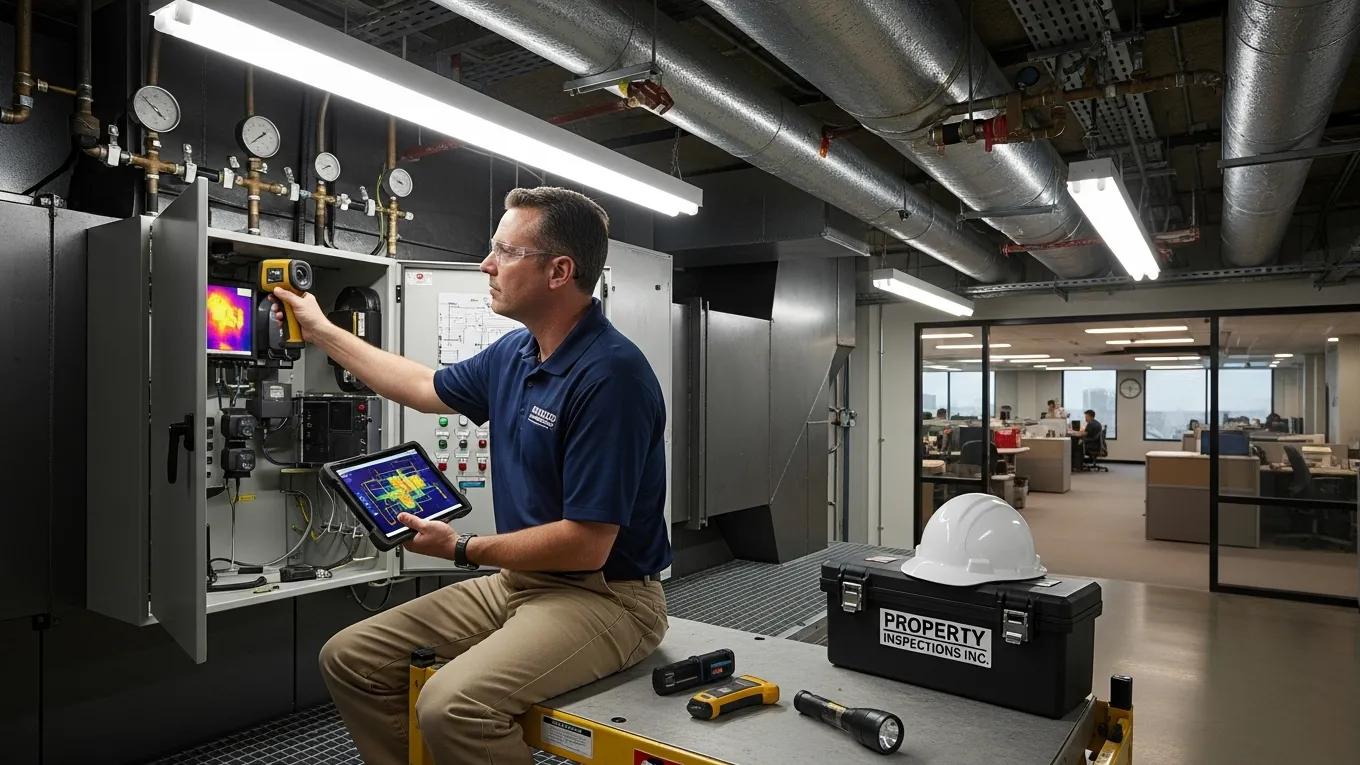
Commercial property inspections differ from residential inspections in scope and complexity. These inspections often involve a more extensive evaluation of various systems, including HVAC, plumbing, electrical, and structural components. In Southeast Michigan, sellers must be aware of specific regulations and standards that apply to commercial properties.
Key components evaluated during a commercial property inspection include:
- Structural Integrity: Assessing the building’s foundation and overall stability.
- HVAC Systems: Evaluating heating, ventilation, and air conditioning systems for efficiency and compliance.
- Environmental Testing: Conducting assessments for hazardous materials, such as asbestos or lead.
Understanding these essentials can help commercial property sellers navigate the inspection process effectively and ensure compliance with local regulations.
To ensure a smooth transaction, consider scheduling a home inspection. This proactive step can provide valuable insights into the property’s condition.
Furthermore, for those involved in selling commercial properties, understanding the nuances of commercial property inspections is crucial. These inspections differ significantly from residential ones.
Additionally, consider the importance of radon testing as part of your pre-listing preparations. Ensuring the safety of potential buyers is paramount.
Frequently Asked Questions
1. How can a pre-listing inspection affect the overall selling price of a home?
A pre-listing inspection can positively influence the selling price by providing sellers with a clear understanding of their property’s condition. By addressing any issues beforehand, sellers can justify their asking price with documented evidence of repairs and maintenance. This transparency can also attract more buyers, potentially leading to competitive offers. Ultimately, a well-maintained property with a clean inspection report can command a higher price in the market, as buyers are often willing to pay more for peace of mind.
2. What should sellers do if significant issues are found during a pre-listing inspection?
If significant issues are identified during a pre-listing inspection, sellers have several options. They can choose to make necessary repairs before listing the property, which can enhance its marketability and value. Alternatively, sellers may opt to disclose the findings to potential buyers and adjust the asking price accordingly. This approach fosters transparency and can build trust with buyers. Consulting with a real estate agent can also provide guidance on the best course of action based on the inspection results.
3. Are pre-listing inspections beneficial for all types of properties?
Yes, pre-listing inspections can be beneficial for all types of properties, including residential and commercial. For residential properties, they help identify issues that could deter buyers or affect the sale price. In commercial real estate, inspections are crucial for assessing compliance with regulations and ensuring the property meets safety standards. Regardless of the property type, a pre-listing inspection provides valuable insights that can streamline the selling process and enhance buyer confidence.
4. How long does a pre-listing inspection typically take?
A pre-listing inspection usually takes a few hours, depending on the size and complexity of the property. Inspectors will evaluate various systems and components, including roofing, plumbing, electrical, and structural elements. After the inspection, sellers can expect to receive a detailed report outlining the findings within 24 to 48 hours. This timeframe allows sellers to quickly address any issues before listing their property, ensuring they are well-prepared for the market.
5. Can sellers choose their own inspector for a pre-listing inspection?
Yes, sellers can choose their own inspector for a pre-listing inspection. It is advisable to select a qualified and experienced inspector who is familiar with the local market and regulations. Sellers should look for inspectors with good reviews and credentials, such as certifications from recognized organizations. Choosing the right inspector can ensure a thorough evaluation of the property, providing sellers with the insights they need to make informed decisions before listing.
6. What are the common misconceptions about pre-listing inspections?
One common misconception is that pre-listing inspections are only necessary for older homes. In reality, any property can benefit from an inspection, regardless of its age. Another misconception is that inspections are too costly and not worth the investment. However, the potential savings from identifying issues early can far outweigh the inspection costs. Additionally, some sellers believe that inspections may scare off buyers, but transparency often builds trust and can lead to smoother negotiations.
7. How can sellers prepare for a pre-listing inspection?
Sellers can prepare for a pre-listing inspection by ensuring that the property is clean and accessible. This includes clearing areas around major systems like the HVAC unit, electrical panels, and plumbing fixtures. It’s also helpful to gather any maintenance records or warranties for appliances and systems, as this information can assist the inspector. Lastly, addressing minor repairs beforehand can create a positive impression and potentially lead to a more favorable inspection report.