Understanding Radon Testing: Why It’s Crucial for Michigan Homeowners
Essential Radon Testing Guide for Michigan Homeowners
By Jamal Makki, Estates Inspections and Valuations
Radon testing is a critical aspect of home safety that many Michigan homeowners overlook. Radon, a colorless and odorless gas, can seep into homes from the ground, posing significant health risks, including lung cancer. This article aims to educate homeowners about the importance of radon testing, the methods used, and the potential health implications associated with radon exposure. By understanding the risks and the testing process, homeowners can take proactive measures to ensure their living environments are safe. We will explore various testing methods, health risks, mitigation strategies, and the integration of radon testing into comprehensive property inspections.
Essential Radon Testing Guide for Michigan Homeowners
Professional radon testing is essential for accurately assessing radon levels in homes. The primary methods include short-term and long-term radon testing, each serving different purposes. Short-term testing typically lasts from 2 to 90 days and provides a quick snapshot of radon levels, while long-term testing, which lasts at least 90 days, offers a more comprehensive view of radon exposure over time. Proper placement of radon detection devices is crucial for accurate results, as is monitoring radon levels over a specified period. Analyzing the collected data allows homeowners to understand their radon exposure and take necessary actions.
Essential Radon Testing Guide for Michigan Homeowners
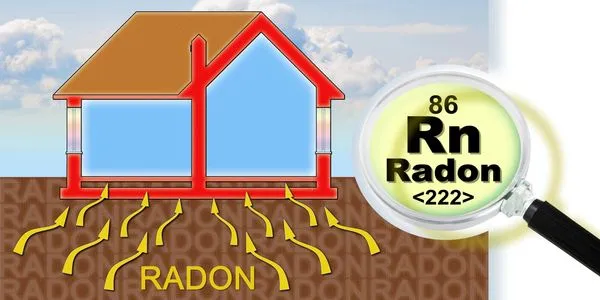
Radon exposure is a serious health concern, particularly in Michigan, where geological conditions can lead to elevated radon levels in homes. Long-term exposure to radon is linked to lung cancer, with the risk increasing significantly with higher radon concentrations. The Environmental Protection Agency (EPA) estimates that radon is responsible for about 21,000 lung cancer deaths each year in the United States. Awareness of these health risks is vital for homeowners, as proactive measures can significantly reduce exposure and improve indoor air quality.
Further research underscores the severity of radon exposure, particularly in regions like the Upper Midwest.
Radon Testing & Lung Cancer Risk in Upper Midwest Homes
Radon is the second leading cause of lung cancer in the U.S., the leading cause of lung cancer in nonsmokers, and is estimated to cause 21,000 deaths every year. Radon is especially prevalent in the upper Midwest. This study aimed to assess radon testing and mitigation practices among residential homeowners, landlords, and school districts in Wisconsin.
Survey of radon testing and mitigation by Wisconsin residents, landlords, and school districts, RA Denu, 2019
Mitigation Strategies:
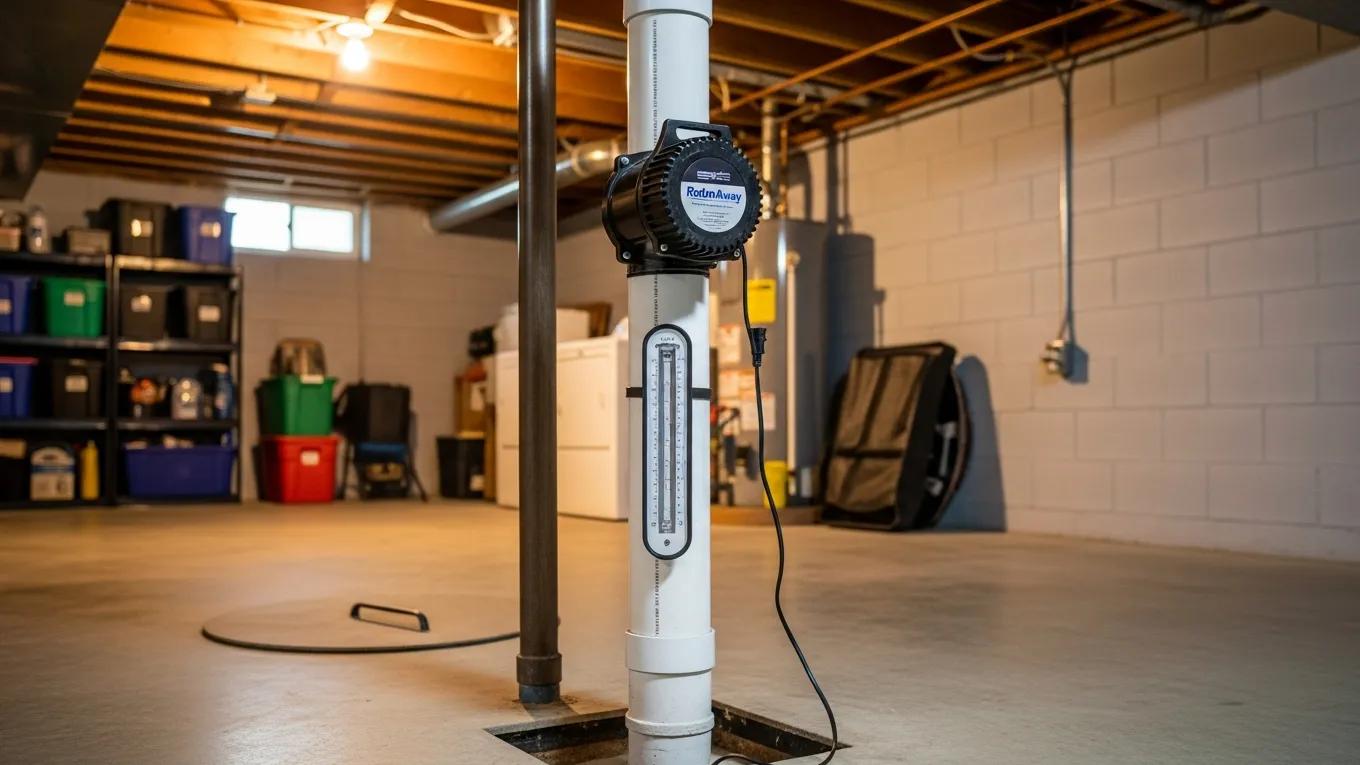
To address elevated radon levels, homeowners can implement several effective mitigation strategies. Installing a radon mitigation system is one of the most common approaches, which typically involves the use of a vent pipe system and a fan to reduce radon levels. Additionally, sealing cracks and openings in the foundation can help prevent radon from entering the home. Regular testing post-mitigation is essential to ensure that radon levels remain low and that the mitigation system is functioning effectively.
What is Radon and Why is it a Health Concern in Michigan Homes?
Radon is a naturally occurring radioactive gas that results from the decay of uranium in soil, rock, and water. It is a significant health concern in Michigan homes due to the state’s geological makeup, which can lead to higher concentrations of radon in residential areas. Understanding the nature of radon and its health implications is crucial for homeowners.
How Does Radon Gas Affect Indoor Air Quality and Health?
Radon gas significantly impacts indoor air quality, as it can accumulate in enclosed spaces, leading to increased exposure for residents. The primary health risk associated with radon is lung cancer, as inhaling radon decay products can damage lung tissue over time. This risk is particularly pronounced for smokers, who are at a higher risk of developing lung cancer when exposed to radon.
Studies consistently highlight the critical link between indoor radon exposure and the incidence of lung cancer.
Indoor Radon Exposure & Lung Cancer Risk
Background:Radon and its decay products are the main source of natural ionizing radiation and they represent the major contributor to the internal dose to human life. The aim of this study was to assess a potential relationship between indoor radon exposure and the incidence of lung cancer worldwide.
Indoor radon exposure and lung cancer risk: a meta-analysis of case-control studies, C Garzillo, 2016
What Are the Recognized Safe Radon Levels According to EPA and Michigan Guidelines?
The EPA recommends that action be taken to reduce radon levels in homes that exceed 4 picocuries per liter (pCi/L). Michigan guidelines align with these recommendations, emphasizing the importance of testing and mitigation for homes with elevated radon levels. Homeowners should aim to keep radon levels below this threshold to minimize health risks.
Essential Radon Testing Guide for Michigan Homeowners
Professional radon testing in Southeast Michigan involves a systematic process to ensure accurate detection of radon levels. Trained professionals use specialized equipment to measure radon concentrations in the home, providing homeowners with reliable data on their radon exposure.
What Methods and Devices Are Used for Accurate Radon Measurement?
Various methods and devices are employed for accurate radon measurement, including passive detectors, active monitors, and continuous radon monitors. Passive detectors, such as charcoal canisters, are commonly used for short-term testing, while continuous radon monitors provide real-time data on radon levels. Each method has its advantages, and the choice depends on the specific testing needs of the homeowner.
How Long Does Radon Testing Take and What Should Homeowners Expect?
Radon testing typically takes between 2 to 7 days, depending on the method used. Homeowners can expect to receive a detailed report of the radon levels detected in their home, along with recommendations for mitigation if necessary. Understanding the testing process helps homeowners prepare for the assessment and ensures they are informed about their radon exposure.
What are the Costs and Regulations for Radon Testing in Michigan?
The costs associated with radon testing can vary based on the testing method and the size of the home. On average, homeowners can expect to pay between $100 and $200 for professional radon testing services. Additionally, Michigan has specific regulations regarding radon testing in real estate transactions, requiring sellers to disclose known radon levels to potential buyers.
How Much Does Radon Inspection Cost in Southeast Michigan?
In Southeast Michigan, the average cost for radon inspection ranges from $100 to $200, depending on the complexity of the testing and the size of the property. This investment is crucial for ensuring the safety of the home and the health of its occupants.
What Michigan State Regulations and Real Estate Requirements Affect Radon Testing?
Michigan state regulations require that sellers disclose any known radon levels during real estate transactions. This requirement emphasizes the importance of radon testing for both buyers and sellers, ensuring that potential health risks are addressed before a sale is finalized.
How Do Radon Levels Impact Residential and Commercial Property Values?
Elevated radon levels can significantly impact property values, as potential buyers may be deterred by the associated health risks. Homes with known radon issues may sell for less than comparable properties with low radon levels. Understanding the implications of radon on property values is essential for homeowners and investors alike.
What Are the Risks of Elevated Radon Levels for Homeowners and Investors?
Homeowners and investors face several risks associated with elevated radon levels, including potential health issues and decreased property values. For homeowners, the health risks of long-term radon exposure can lead to serious medical conditions, while investors may find it challenging to sell properties with known radon problems.
How Can Radon Testing Influence Real Estate Transactions in Michigan?
Radon testing can play a crucial role in real estate transactions in Michigan. Buyers may request radon testing as a condition of sale, and the results can influence negotiations. Homes with low radon levels are more attractive to buyers, while those with elevated levels may require mitigation before a sale can proceed.
What Are Effective Radon Mitigation Options After Testing?
After testing reveals elevated radon levels, homeowners have several effective mitigation options to consider. These strategies can help reduce radon levels and improve indoor air quality.
Which Radon Reduction Techniques Are Recommended for Michigan Homes?
Common radon reduction techniques recommended for Michigan homes include the installation of a radon mitigation system, which typically involves a vent pipe system and a fan to expel radon gas from the home. Sealing cracks and openings in the foundation is also an effective strategy to prevent radon entry.
How Can Professional Guidance from Estates Inspections and Valuations Support Mitigation?
For homeowners seeking to mitigate radon levels effectively, professional guidance is invaluable. Estates Inspections and Valuations offers expert support, ensuring accurate assessments and tailored mitigation strategies to address specific needs.
Essential Radon Testing Guide for Michigan Homeowners
Integrating radon testing into property inspections is essential for comprehensive safety evaluations. A thorough property inspection should include an assessment of radon levels to ensure that potential health risks are identified and addressed.
What Components Are Included in a Full Property Inspection with Radon Testing?
A full property inspection with radon testing typically includes a visual evaluation of the property, assessment of structural integrity, and testing for environmental hazards such as radon and mold. This comprehensive approach ensures that homeowners are fully informed about the condition of their property.
Why Choose Estates Inspections and Valuations for Reliable Radon and Property Inspections?
Estates Inspections and Valuations is a trusted provider of radon testing and property inspection services in Southeast Michigan. Their commitment to accurate property evaluations, transparent reporting, and expert guidance makes them an ideal choice for homeowners seeking reliable assessments and mitigation strategies.