
Negotiating Furnace Repairs From a Macomb County Home Inspection Report
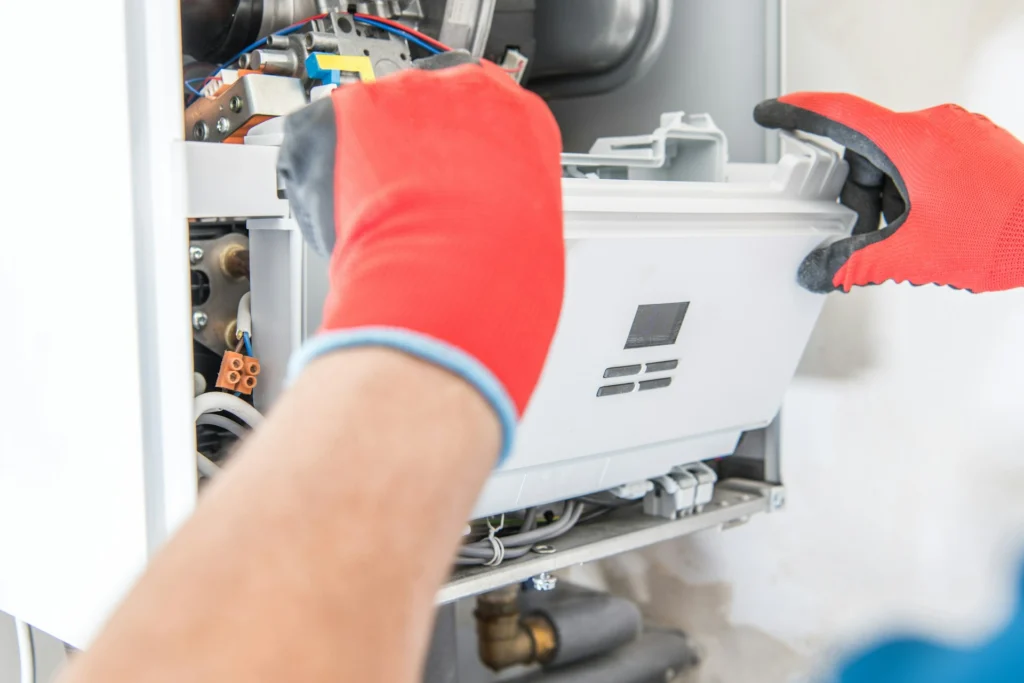
Turn Furnace Findings Into Buyer Leverage
A furnace concern in a home inspection report in Macomb County does not automatically mean you should walk away from the purchase. It gives you a clearer picture of what you may be taking on, whether that means basic maintenance, a repair that affects safe operation, or a system that may need replacement sooner than expected.
By late November, dependable heat matters in Macomb County. We recommend using the inspection findings, an HVAC professional’s written opinion, and a clear repair scope to make a fair request without losing valuable time in your purchase process.
Read Furnace Defects Before You Negotiate
Start by reading the furnace section carefully instead of focusing only on the word “defect.” Our inspection reports can identify visible concerns, but some issues need further evaluation from a licensed HVAC contractor before anyone can determine the full repair scope.
Common observations may include a dirty filter, corrosion, damaged venting, poor airflow, missing service records, age-related wear, or signs that the installation may not be performing as intended. A recommendation for HVAC evaluation does not always mean the furnace has failed. It means a qualified specialist should determine why the concern exists and what work is appropriate.
We suggest sorting findings by urgency:
- Safety concerns, such as suspected gas leaks, unsafe combustion, compromised flues, cracked heat exchangers, or possible carbon monoxide risks
- No-heat conditions or a furnace that will not operate reliably
- Functional concerns, including short cycling, uneven heating, or a weak blower motor
- Routine maintenance items, such as filter replacement or overdue servicing
Safety and no-heat issues deserve immediate attention. Functional problems may support a repair request, especially when they could affect comfort or lead to further damage. Routine maintenance alone usually does not justify a major concession unless it is part of a larger pattern of poor system care.
It also helps to document the furnace’s approximate age, fuel type, visible condition, service history, and likely remaining service life. An older furnace can still be operating properly, but age becomes more important when the system has multiple deficiencies or needs a significant repair.
Price Repairs with Local HVAC Input
Before making a request, we recommend getting a written estimate from a licensed HVAC professional. Online ranges and informal opinions can create confusion because every home has different equipment, ductwork, fuel sources, and venting conditions.
A useful estimate should explain the failed or damaged component, whether repair is safe and practical, and whether any related installation updates are needed. It should also separate immediate repair needs from optional maintenance. That level of detail gives both sides something concrete to review.
Buyers should also compare the scope of a repair against the condition of the full system. An ignition issue, thermostat concern, pressure switch problem, or blower repair may be a sensible fix. On the other hand, a cracked heat exchanger, serious venting concern, repeated breakdown history, or obsolete equipment may point toward replacement as the more practical long-term solution.
Older homes can bring added heating questions, including aging ductwork or unusual ventilation layouts. A local HVAC contractor can assess the actual setup instead of treating the furnace as a standalone appliance. That matters because an otherwise sound furnace may still struggle when airflow, duct sizing, or venting is not right.
Build a Repair Request Sellers Can Accept
A focused request is usually more persuasive than a long list of every small item found during the inspection. We encourage you to concentrate on material heating deficiencies that affect safety, reliable function, or a significant near-term expense.
Support the request with the relevant inspection finding and the HVAC contractor’s written estimate. Rather than saying “repair furnace as needed,” identify the specific issue and the expected work. Clear language reduces disagreements and helps everyone understand what must happen before closing.
Depending on the transaction terms, common options may include:
- Seller-completed repair by a licensed HVAC contractor
- A closing credit that lets you select the contractor after closing
- A purchase price reduction to account for the documented condition
- An escrow arrangement, when permitted, for work that cannot be completed before closing
A credit can give you more control over who performs the work. Seller-completed repairs may make more sense when the furnace is not operating and you need heat available before move-in. The right approach depends on the inspection contingency, lender requirements, timing, and the severity of the problem.
When replacement is truly supported by the HVAC evaluation, your request can state that clearly. If repair is the appropriate remedy, avoid demanding a new furnace simply because the equipment is older. The strongest negotiation stays tied to the documented condition rather than fear about what might happen later.
Protect Your Deal Before Winter Arrives
Timing matters once a furnace concern appears. In November, HVAC companies may be busy with emergency no-heat calls and seasonal demand. As soon as we deliver your home inspection report in Macomb County, arrange any recommended specialist evaluation promptly. That gives you room to receive an estimate, discuss options with your real estate team, and negotiate before an inspection contingency expires.
If the seller agrees to complete work, ask for documentation before closing. Paid invoices, warranty details, and permits when applicable can show what was done and who performed it. During the final walk-through, confirm that the furnace operates, the thermostat responds, and the agreed repair records are available.
Even after a successful negotiation, plan for ongoing furnace care. Seasonal professional maintenance, regular filter changes, working carbon monoxide detectors, and organized service records can help you stay prepared for Southeast Detroit winters. A repair may solve the current concern, but every heating system still benefits from regular attention.
Move Forward with a Safer Heating Plan
The best furnace negotiations are based on facts. A detailed inspection report, a qualified HVAC evaluation, and a specific written request can help you seek a reasonable solution while keeping the purchase moving forward.
Review the inspection findings alongside the HVAC evaluation, repair estimate, invoices, and any permits or warranty information. Understanding which concerns are safety-related, which are repairable, and which may signal replacement needs helps you evaluate the furnace condition with clearer expectations and maintain useful records for future service.
Gain Clarity Before Your Next Move
At Estates Inspections and Valuations, we help buyers make informed decisions with a detailed home inspection report in Macomb County. Our thorough findings provide a practical foundation for discussing furnace concerns, repair priorities, and next steps with confidence. For questions about scheduling an inspection, contact us today.