Radon Testing in Erie, MI
Radon testing for homes and commercial buildings across Erie and Monroe County, with clear results and straightforward next steps.
5-Star Rated Inspection Service
- Licensed & Professional
- Fast Turnaround
- Detailed Reports
Get Your Radon Testing Quote
Serving Southeast
Detroit Since 2020
Residential &
Commercial Inspections
Accurate
Property Valuations
Trusted by
Local Buyers & Investors
Professional Radon Testing Services
Professional Radon Testing Services in Erie
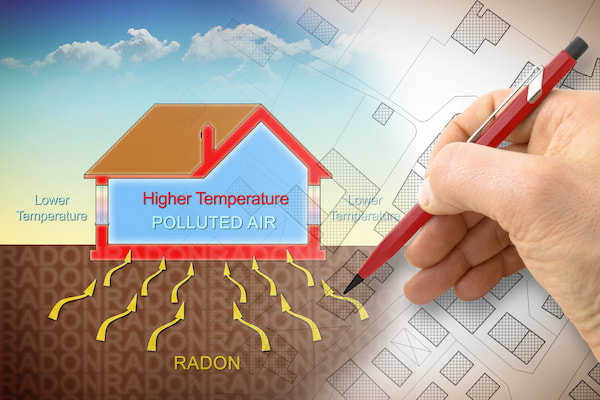
Radon needs very little to get into a building. A gap around a service pipe, an unsealed sump, a construction joint or a hairline crack in a slab is enough, and the size of the opening bears no particular relation to the size of the result, because what drives the gas in is the pressure difference across it rather than the space available.
That is part of why an Erie property cannot be judged by inspection on this point. The gas is colourless, odourless and radioactive, the entry routes are often invisible, and the only reliable statement anyone can make about the level is the one a measurement produces.
What’s Included in Our Radon Testing Process

What’s Included in Our Radon Testing Process
The same protocol is followed whoever asked for the test. A buyer commissioning it during a purchase, a seller testing before listing and an owner checking a building they have lived in for years all receive a measurement taken the same way, because a result is only comparable to other results if the method behind it does not vary.
In each case that means calibrated equipment placed according to protocol, an uninterrupted measurement period of the required length, analysis of the recorded data, and a written report stating the concentration in picocuries per litre with an explanation of what it indicates.
What Happens During a Professional Radon Test?
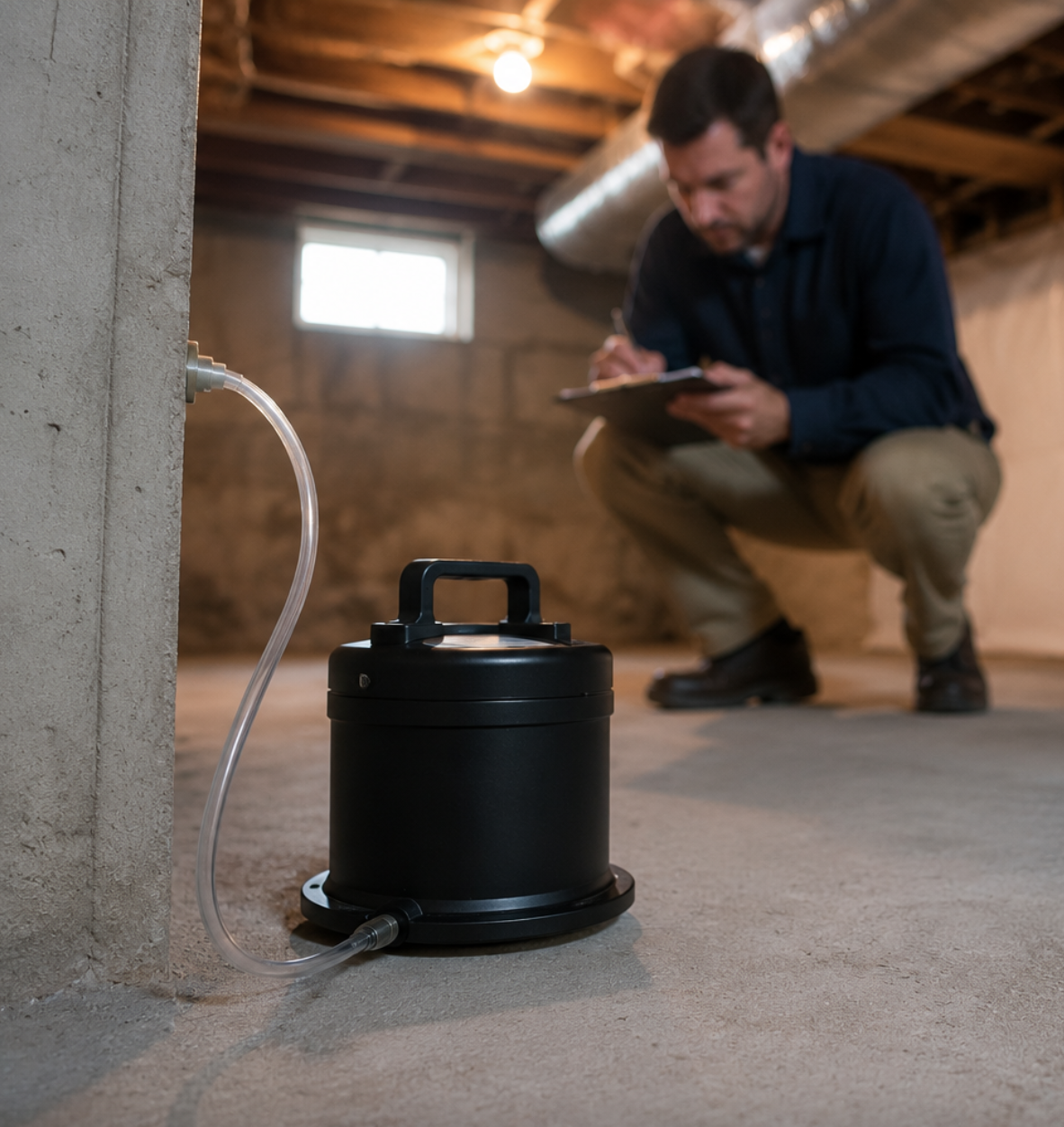
The measurement period is the part that cannot be shortened. A short-term test runs for the required length, commonly around 48 hours, because the figure is meant to represent ordinary conditions across a stretch of time rather than the concentration at the moment somebody happened to be in the building. During that period the monitor sits undisturbed in the lowest occupied level of the Erie property, away from drafts, vents and exterior doors, and the building stays closed apart from normal entry and exit. Afterwards the device is collected and its recorded data analysed across the whole run. The steps below set out each stage.
Proper Test Placement
Testing equipment is placed in an appropriate location within the property to collect meaningful measurements.
Radon Level Monitoring
The testing device monitors radon levels during the required testing period. Following proper testing conditions is important for obtaining useful results.
Data Review
After the testing period is complete, the collected information is reviewed to determine the measured radon concentration.
Clear Results
You receive results that explain the measured radon level so you can understand whether additional action should be considered.
Radon Testing Matters Before Buying a Home
Radon Testing Matters Before Buying a Home
The two possible outcomes of testing are not symmetrical in what they cost you. If the level turns out to be low, the test has taken a couple of days out of the inspection period and confirmed something. If it turns out to be high and nobody looked, the discovery still comes eventually, only with no seller left to raise it with.
That asymmetry is the case for testing an Erie property before completion rather than after. The result is the same either way; what differs is whether it arrives while it can still influence the transaction.
A test before the sale completes allows you to:
- Obtain the measured concentration
- Address elevated readings before ownership passes
- Make the decision on evidence
- Bring the findings to the right professionals
- Assess whether reduction is appropriate
What Do Radon Test Results Mean?
What Do Radon Test Results Mean?
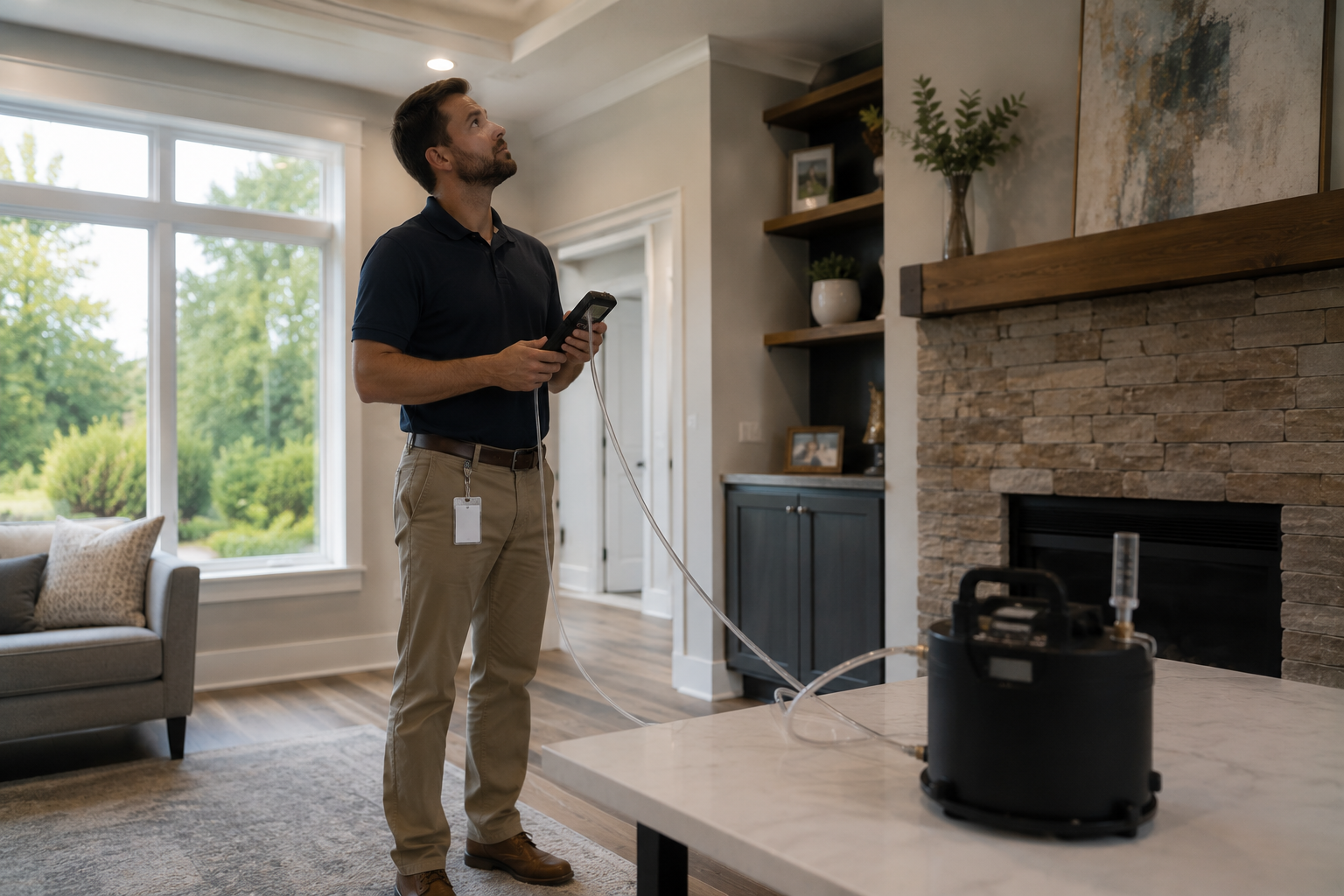
Radon concentration is reported in picocuries per litre of air (pCi/L). The United States Environmental Protection Agency recommends taking action to reduce radon when the level is 4 pCi/L or higher, and states that no level of radon exposure is known to be completely safe. A lower figure obliges nothing, though reduction stays available as a choice.
The value of the report is that it does the comparison rather than leaving it to you. It gives the measured level, places it against the action level, and explains what that position means in practice, which is the difference between receiving a number and receiving an answer.
Why Choose Us for Radon Testing?
There is no way to look at a building and sense-check a radon figure, which puts everything on how the measurement was made. We use calibrated equipment, follow the placement and duration requirements exactly, keep the run undisturbed, and report the outcome with its conditions and its meaning set out alongside it.
The test also fits into a broader survey of the property without extending it. It can be scheduled with a home inspection in Erie, so the monitoring period overlaps the rest of the due diligence and one window covers both.
Professional Testing
We use professional radon testing procedures to measure radon levels accurately and provide reliable information about the property.
Clear and Easy to Understand Results
Radon numbers can be confusing. We provide straightforward results so you can understand the measured radon level and determine whether further action should be considered.
Careful Testing Process
Proper equipment placement and testing conditions matter. We follow appropriate procedures throughout the testing process to help provide meaningful results.
Frequently Asked Questions
What is radon?
Radon is a naturally occurring radioactive gas produced by the breakdown of uranium in soil, rock, and water. It can enter buildings through openings in areas that contact the ground and accumulate indoors, where it cannot be seen, smelled, or tasted.
Do Erie homes have radon problems?
Radon levels vary from property to property, and elevated levels have been found in homes throughout Michigan. There is no way to predict a specific Detroit home’s radon level from its age, condition, or location. Testing the individual property is the only reliable way to know.
Should I test for radon before buying a home in Erie?
Yes. Radon testing can be an important part of real estate due diligence in Detroit. Testing before closing gives you information about measured radon levels while you are still evaluating the property and can still address the results within your transaction.
Can a newly built home have radon?
Yes. Radon is not limited to old or poorly maintained properties. Newer homes can also have elevated radon levels because radon primarily originates from the ground beneath and around a building rather than from the building itself.
Is radon only a basement problem?
No. Radon often enters through areas in contact with the ground, but it can move throughout a building. A property should not be assumed to be free from elevated radon simply because it does not have a traditional basement.
What happens if my radon test comes back high?
An elevated result is information, not a dead end. Radon mitigation systems are commonly used to reduce indoor radon levels. Your report gives you the measured numbers you need to discuss appropriate next steps with a qualified radon mitigation professional.