
Home Inspection Tips for First-Time Buyers

Essential Tips for Informed Home Buying Decisions
By Estates Inspections
Buying your first home is exciting — and it can feel overwhelming. This guide gives first-time buyers clear, practical inspection tips to help you make informed decisions. Home inspections reveal a property’s true condition so you can avoid surprise repairs and keep the purchase process smooth. We’ll cover the main inspection steps, common issues to watch for, and how to use the inspection report to your advantage. With these basics, you’ll approach inspections prepared and confident at every stage.
Essential Home Inspection Procedures:
A straightforward inspection process helps first-time buyers feel in control. These three steps make a big difference:
- Schedule the Inspection Early: Book the inspection as soon as your offer is accepted so you have time to address any findings. Early scheduling gives you more options.
- Attend the Inspection: Being on site lets you ask questions and see issues firsthand. It’s the best way to learn how the home’s systems work and what maintenance they need.
- Review the Inspection Report Thoroughly: Read the inspector’s report carefully. It explains the property’s condition and can be a key tool during negotiations.
Common Issues to Look For:
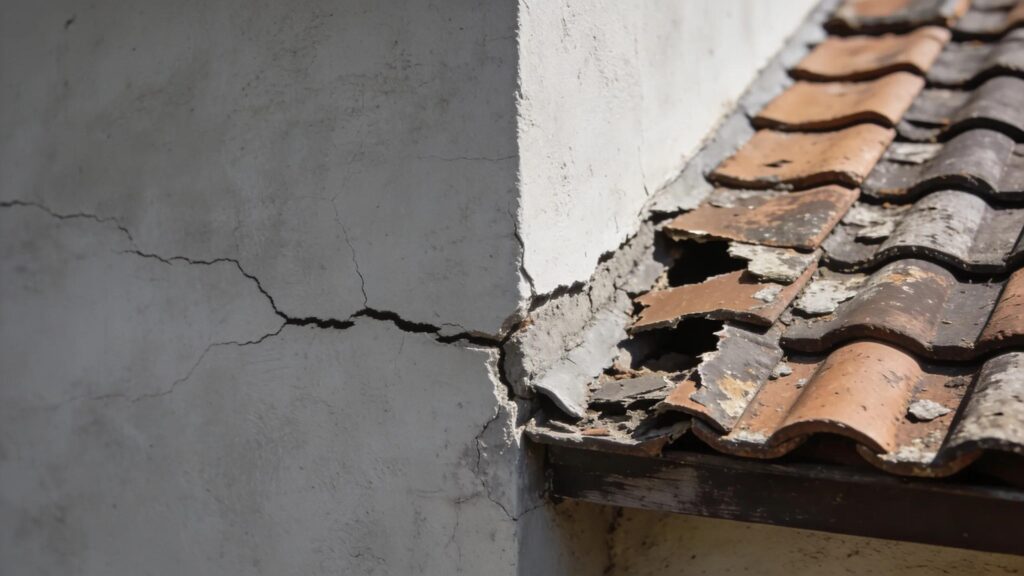
Knowing common problem areas helps you spot red flags during an inspection. Watch for these frequent issues:
- Structural Integrity: Look for foundation cracks, uneven floors, or wall separations — signs that may indicate serious structural concerns.
- Roofing Problems: Check for damaged or missing shingles, sagging areas, or signs of leaks that could lead to costly repairs.
- Electrical Systems: Note outdated wiring, overloaded panels, or missing safety devices that could pose hazards.
- Plumbing Issues: Look for leaks, corrosion, slow drains, and low water pressure that might require repair or replacement.
- HVAC Systems: Verify that heating and cooling equipment works reliably and has been maintained, since replacements can be expensive.
- Mold and Moisture: Visible mold or persistent dampness can affect health and indicate hidden damage — point these out to the inspector.
- Radon Testing: Elevated radon is a health concern. If testing is recommended, follow through with appropriate measurement and mitigation steps.
Advice for Making Informed Property Decisions:
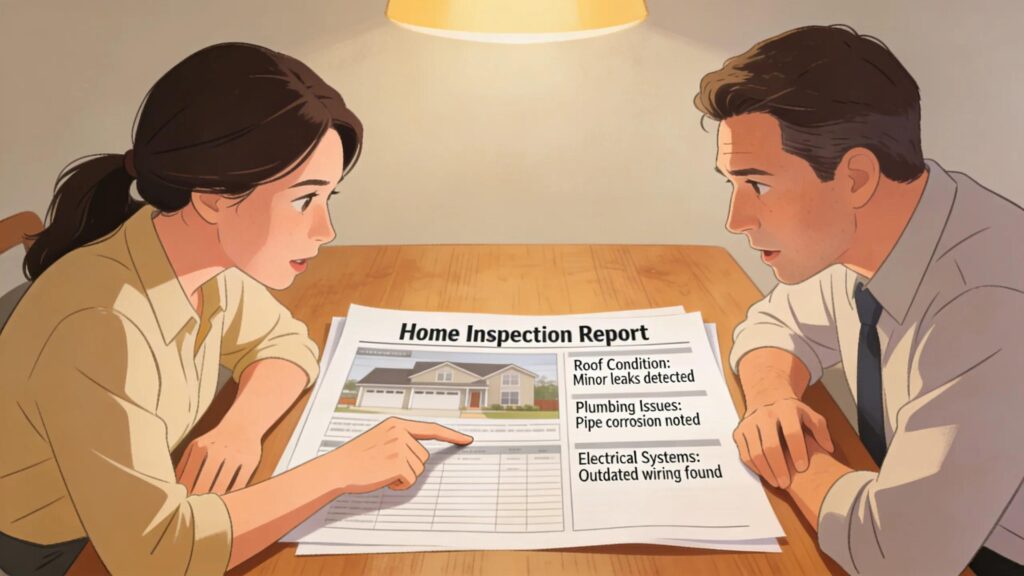
Inspection findings should guide your next moves. Use these tips to turn the report into practical decisions:
- Choose a Qualified Inspector: Hire an experienced, reputable inspector who will give a thorough and unbiased evaluation.
- Understand the Findings: Focus on safety and major defects first. Know which issues affect value and which are routine maintenance.
- Plan for Future Maintenance: Use the report to budget for upcoming repairs and regular upkeep the home will need.
- Be Proactive: If serious issues appear, negotiate repairs, ask for credits, or adjust your offer based on the inspection results.
What Should First-Time Buyers Expect During the Home Inspection Process?
Many first-time buyers wonder what happens during an inspection. Here’s a quick overview of what to expect:
An inspection typically starts with the inspector arriving to evaluate the home’s major systems: structure, plumbing, electrical, and HVAC. Walking the home with the inspector helps you see problems up close and understand how systems operate. Prepare a list of questions beforehand so you can get the most from the discussion.
Key Steps and Timeline of a Pre-Purchase Home Inspection
Inspection timelines vary, but the main steps generally include:
- Scheduling: Arrange the inspection soon after your offer is accepted — ideally within a week.
- Inspection Duration: Most inspections take two to four hours, depending on home size and condition.
- Report Preparation: Inspectors usually deliver a detailed report within 24–48 hours, summarizing findings and recommended follow-ups.
Roles and Responsibilities of Inspectors and Buyers
Clear roles help the inspection run smoothly:
- Inspector’s Role: Provide an impartial assessment of the home’s condition, point out safety concerns, and recommend next steps or specialist evaluations.
- Buyer’s Role: Ask questions during the inspection and review the report carefully so you can make informed decisions about the property.
Which Critical Property Components Are Evaluated in a Home Inspection?
Inspectors evaluate several key systems to assess overall condition:
- Roofing systems: Checked for wear, damage, and expected remaining life.
- Structural components: Inspected for stability, settlement, and visible defects.
- Electrical systems: Evaluated for safety, proper function, and code concerns.
- HVAC systems: Assessed for performance, age, and maintenance needs.
- Plumbing: Checked for leaks, water pressure, and overall condition.
Knowing these areas helps you focus on the most important parts of a home inspection.
How Are Environmental Hazards Like Radon and Mold Tested and Reported?
Inspectors look for environmental hazards and recommend testing when needed. Typical methods include:
- Radon Testing: Inspectors use devices placed in the home to measure radon levels over a set period. If levels are high, mitigation steps will be recommended. For professional testing, radon testing is an important safety check.
- Mold Inspections: Inspectors check moisture-prone areas such as basements and bathrooms for visible mold and signs of dampness, and may recommend lab testing when warranted. Mold inspections help protect health and property.
Using professional services helps you make a well-informed purchase. Estates Inspections and Valuations offers a range of services to evaluate property conditions thoroughly.
What Does a Comprehensive Home Inspection Report Include for Buyers?
A solid inspection report gives you a clear picture of the property’s condition:
- Overview of the Property: A summary of key findings and concerns.
- Inspected Components: A breakdown of each area checked, with notes on deficiencies.
- Photographic Evidence: Photos of important issues to help you understand the problems.
- Recommendations: Practical next steps, including repairs or referrals to specialists.
Thorough documentation helps buyers evaluate risk and plan their next steps.
How Can First-Time Buyers Prepare for and Benefit from Their Home Inspection?
Preparing ahead makes the inspection more useful. Try these steps:
- Do Your Homework: Learn what inspections typically cover so you know what to expect.
- Make a List of Concerns: Bring a list of specific questions or areas you want the inspector to check.
- Follow Up with Questions: After you get the report, ask the inspector to clarify any findings you don’t understand.
These simple actions help you get the most value from the inspection.
Tips for Buyers: Attending Inspections and Asking the Right Questions
Good questions turn an inspection into actionable insight. Keep these tips in mind:
- Question the Inspector: Ask about the severity of any issues and the urgency of repairs.
- Follow-Up Questions: Request explanations about systems and components, especially for major concerns.
- Maintenance Advice: Ask for practical tips to keep the home in good condition and extend the life of major systems.
Choosing an Inspection Service: Local Expertise in Southeast Detroit
Picking the right inspector matters. Consider these points:
- Importance of Local Knowledge and Experience: Choose inspectors who know Southeast Detroit building types and common regional issues.
- Certifications and Credentials to Consider: Check licenses, professional affiliations, and experience to confirm qualifications.
- Questions to Ask Potential Inspectors: Ask about their experience, inspection scope, sample reports, and any special services they offer.
Estates Inspections and Valuations provides detailed residential inspections tailored for first-time buyers, covering essential systems and offering clear guidance. For buyers in Southeast Detroit looking for a thorough assessment, scheduling an inspection with a trusted local company can bring clarity and confidence to your purchase.